
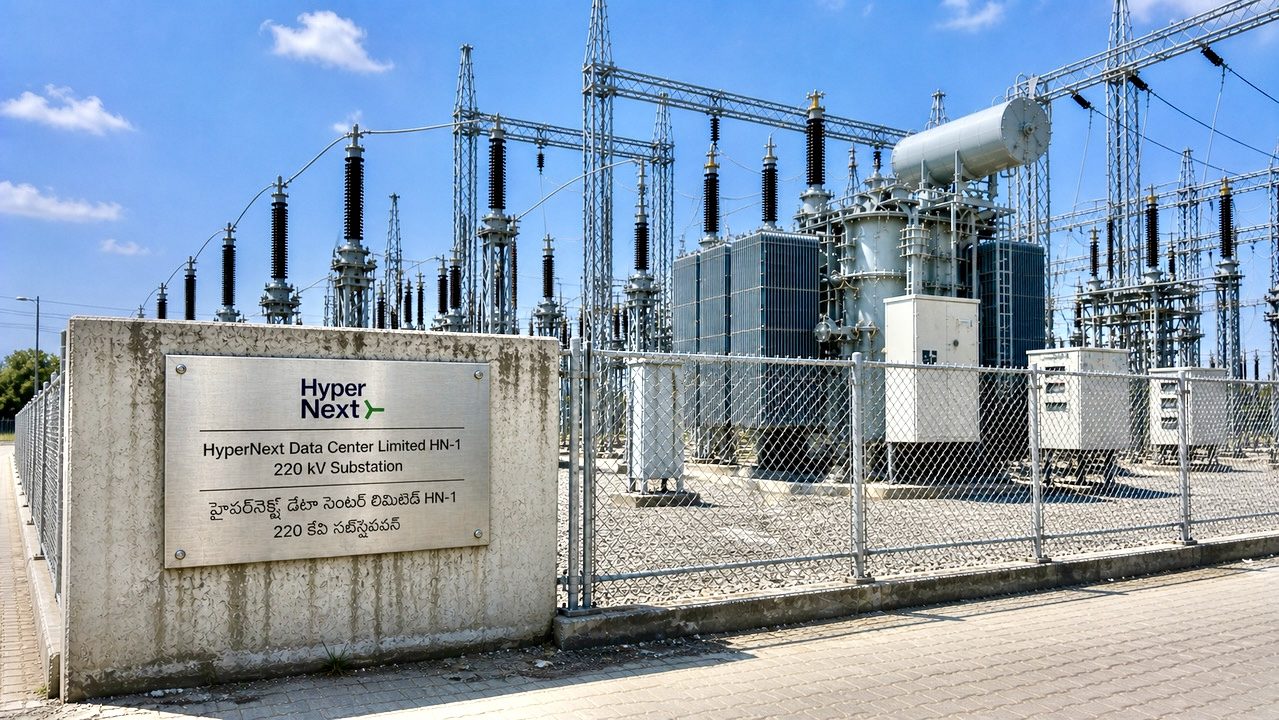
For a data centre, the substation sets three things that cannot easily be changed later: how much power the campus can ever draw, how reliably it arrives, and the date the first megawatt is available. It is also the longest lead item on most programmes, bound up with the transmission utility’s own studies, approvals and outages. We treat it as the first building on the campus: planned for the final load, sized with redundancy that matches the data halls it serves, and engineered, procured and energised by one team.
Choosing the right insulation for the site.
An air-insulated substation places its equipment in the open air, spaced for insulation. A gas-insulated substation encloses busbars, breakers and disconnectors in sealed, gas-filled compartments. The choice is made from the site, not from habit, and hybrid arrangements combine the two where it pays.
| Criterion | Air-insulated (AIS) | Gas-insulated (GIS) |
|---|---|---|
| Footprint | Large outdoor yard with wide clearances | A fraction of the area, often inside a building |
| Environment | Exposed to dust, pollution, coastal salt and heavy monsoon | Enclosed and sealed, largely unaffected by climate |
| Reliability and maintenance | Regular cleaning and inspection of exposed parts | Long maintenance intervals, gas monitored continuously |
| Safety | Live parts at height, controlled by clearances and fencing | Earthed metal enclosures, no exposed live parts |
| Build and expansion | Simple to extend where land is reserved | Factory-tested bays, quick to erect, extended bay by bay |
| Insulating gas | Not applicable | SF6 or lower-impact alternatives, with leak monitoring and gas handling |
| Where we use it | Large rural plots with clean air and room to grow | Urban, constrained, coastal or polluted sites, and campuses where land is better used for data halls |
Nine disciplines in one substation.
A substation brings together power systems, primary and secondary engineering, civil and structural design and a long list of statutory approvals. We cover each of them, and coordinate them with the campus they feed.
Connection and load application
Load forecast for the final campus, application to the transmission utility, connectivity studies and the connection agreement.
Power system studies
Load flow, short circuit, protection coordination, insulation coordination, harmonics, transient and stability studies.
Single line and layout
Double busbar, one-and-a-half breaker or ring arrangements, chosen for the reliability the data halls require.
Primary equipment
GIS or AIS bays, power transformers, reactors and medium-voltage switchgear from HyperNext approved brands.
Protection, control and SCADA
Numerical protection, IEC 61850 substation automation, and links to the utility’s load dispatch centre and the campus BMS.
Earthing and lightning protection
Soil resistivity survey, earth mat design for safe step and touch potentials, and shielding of the yard and building.
Buildings and foundations
GIS halls with overhead cranes, cable cellars, transformer bays with fire walls and oil containment, roads and drainage.
Line and cable entry
Overhead line or underground cable entry, line-in line-out arrangements and right of way.
Auxiliary systems
Station batteries and DC systems, auxiliary transformers, transformer fire protection and gas handling equipment.
What a data centre asks of its substation.
A data centre load is large, constant and intolerant of interruption, and it grows in steps over many years. The substation is designed around those facts.
- Two sourcesSupply from two independent grid circuits or substations wherever the network allows.
- Transformer redundancyCapacity to carry the full load with any one transformer out of service.
- Built for the final loadLand, bays, line entries and corridors fixed for the final campus, with transformers added phase by phase.
- Power qualityHarmonics from rectifiers, UPS and 800 VDC conversion studied and filtered at the right level.
- Campus distributionMedium-voltage rings to every building, with switching that isolates a fault without dropping a hall.
- Renewable injectionBays for captive solar, wind and battery storage, so green power enters through the same intake. See Green power arrangement.
- First power earlyLong-lead equipment ordered on the concept design, so energisation does not set the date of the first hall.
- Clear ownershipUtility-owned, consumer-owned or shared arrangements settled at the start, with the handover boundary drawn.
Eight stages, from load forecast to energisation.
The utility’s process and our own run in parallel, so that studies, approvals and procurement do not wait on one another.
Load and application
Final and phased load forecast, voltage level, and the application to the transmission utility.
OutputLoad applicationConnectivity and studies
Connectivity studies with the utility, and our own load flow, short circuit and reliability studies.
OutputStudy reportsConcept
GIS or AIS, bus configuration, single line diagram, layout and the route of the line or cable entry.
OutputConcept design and SLDApprovals
Transmission utility and electrical inspectorate approvals, CEA safety regulations, land, right of way and any forest or environmental clearances.
OutputApprovals in placeDetailed design
Primary and secondary engineering, earthing, civil and structural design, issued as a complete, coordinated set.
OutputIssued drawings and BOQsProcurement
Tenders against the specification, with type test evidence and factory acceptance tests witnessed before dispatch.
OutputOrders and FAT recordsConstruction
Civil works, GIS erection or yard construction, transformer installation, cabling and line or cable entry.
OutputProgress recordTesting and energisation
Pre-commissioning tests, protection and SCADA testing, inspectorate clearance and energisation with the utility.
OutputEnergisation certificateThinking from the practice.
Short perspectives from our engineers on the decisions that shape a building.
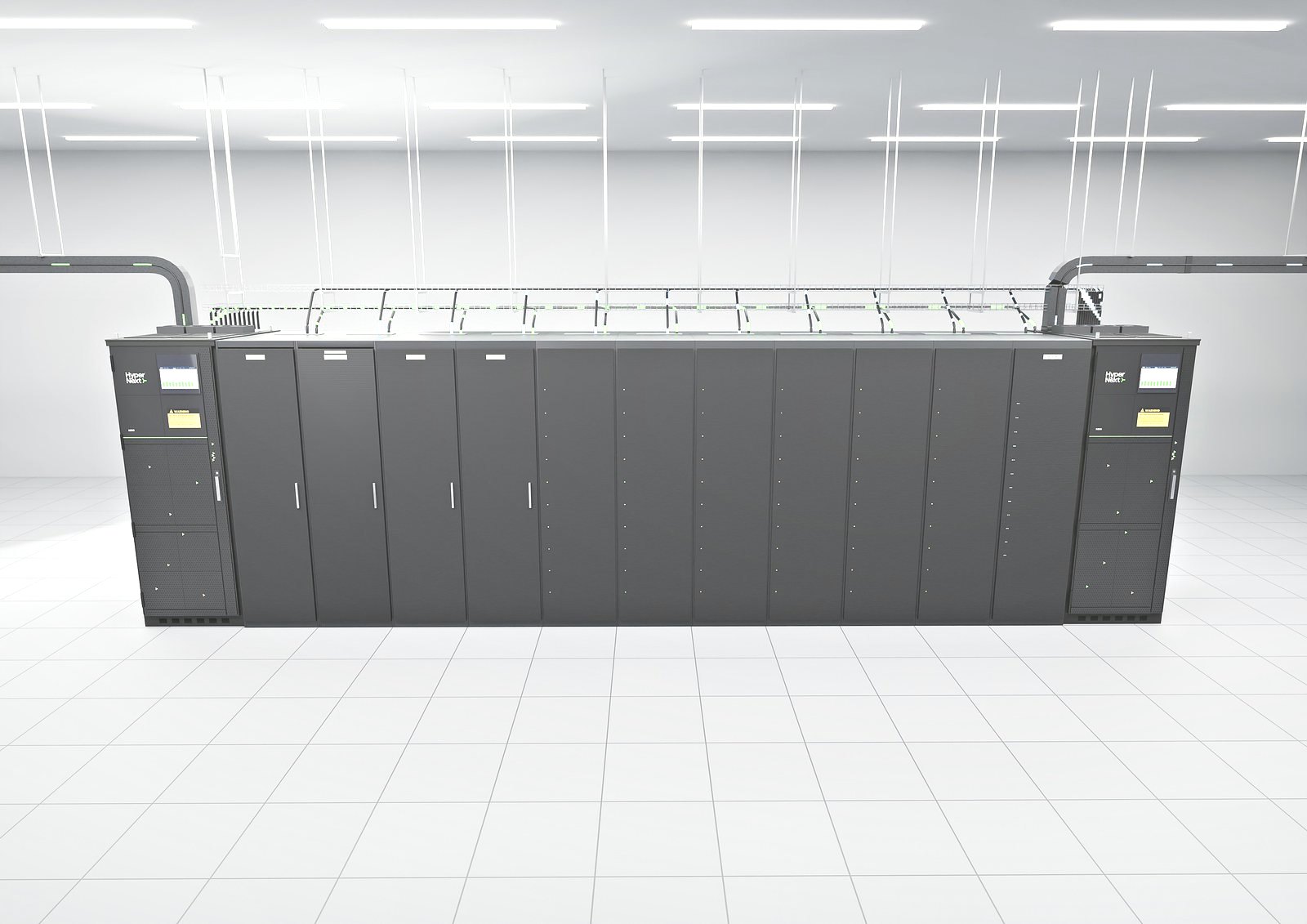
Why 800 VDC takes the UPS room out of the building
Single conversion from 33 kV to the rack removes rooms, losses and a fire risk, and lets density change without new panels.
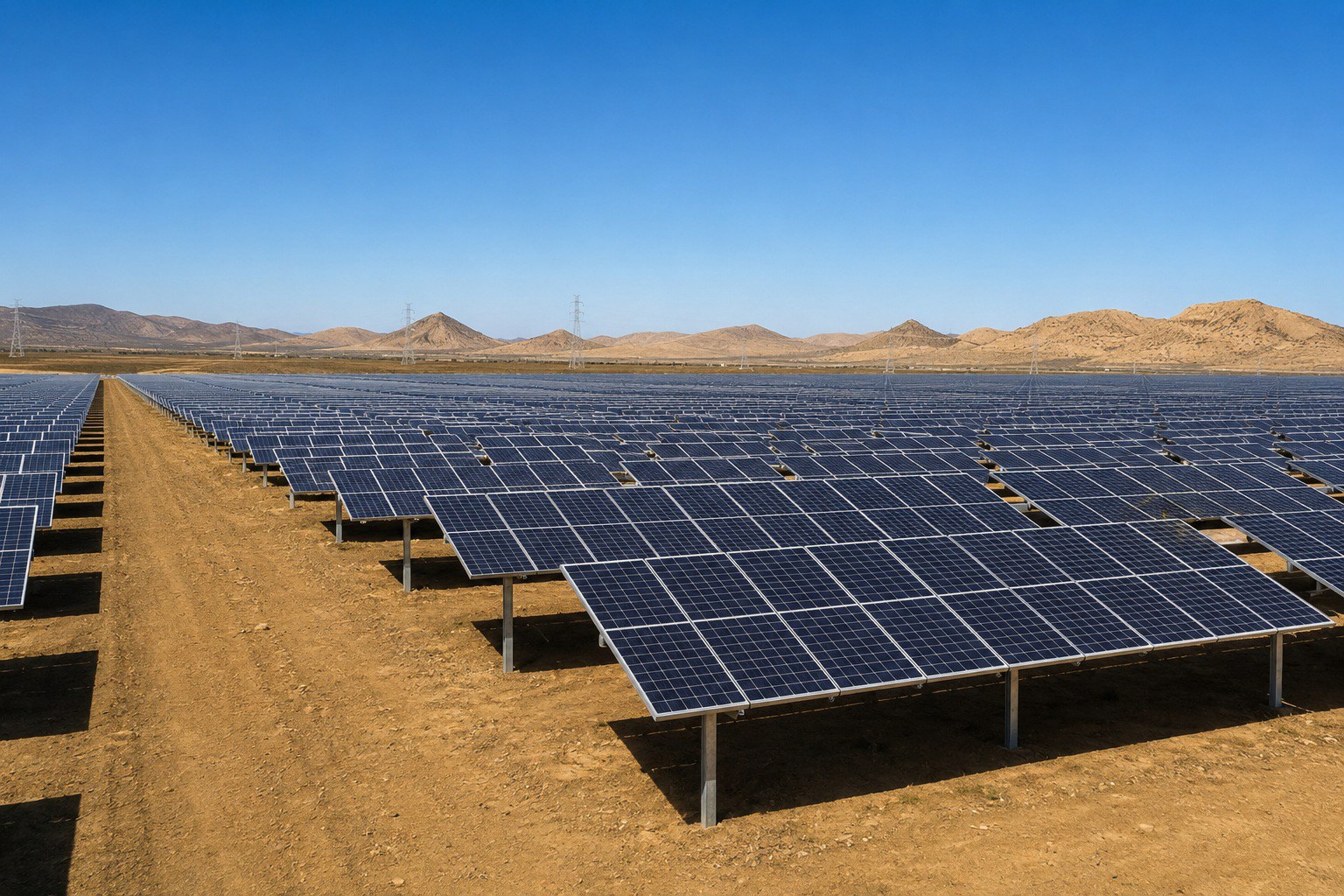
Renewable power should be measured by the hour
Annual renewable claims hide the night. Hourly matching shows what a data centre actually runs on.
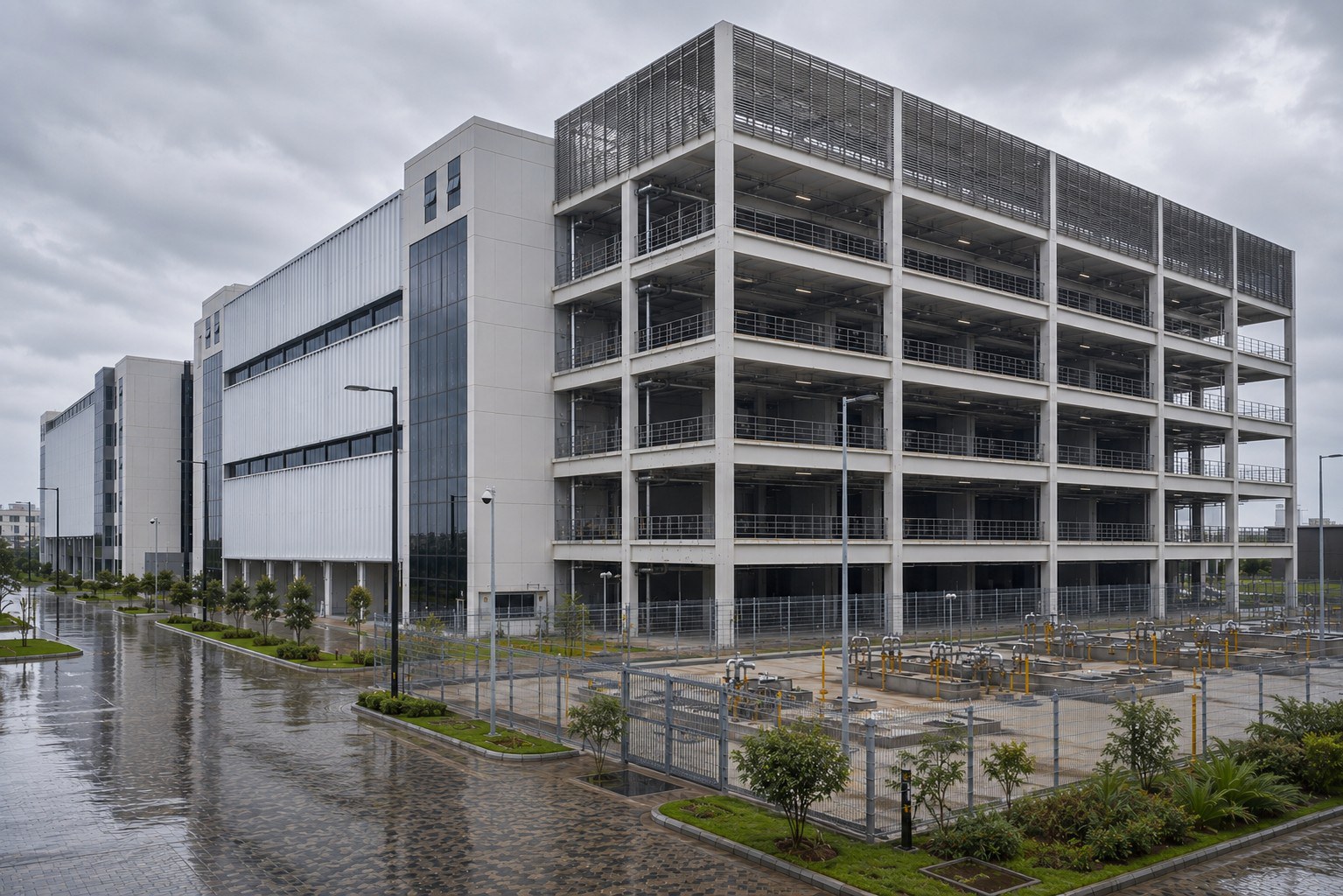
Planning a site for 3.5-tonne racks
Rack-scale AI changes the ground study, the structure and every route from the loading dock to the hall.
Planning a substation?
Send the site, the final load and the voltage on offer. We will set out the connection route, the configuration and the programme to first power.