
A battery earns its place by doing a defined job, at a defined hour, for a defined number of years. It may shave a demand peak, carry solar into the evening, hold a data centre through a grid disturbance or sell services to the grid. Each job sets a different power, energy and duration, and a different way of wearing the cells. We start from the load and the tariff, size the system to the job, and engineer it with the same care for safety and resilience that we bring to mission-critical buildings.
Six jobs a battery can do.
Most systems combine two or three of these, and the dispatch logic decides which one takes priority hour by hour.
Peak shaving
Discharging at the hours of highest demand to reduce maximum demand charges and time-of-day tariffs.
Solar shifting
Storing midday generation from a solar plant and releasing it after sunset, firming the plant’s output.
Backup and ride-through
Carrying critical load through grid disturbances and supporting generators, reducing their running hours.
Grid services
Frequency response and ancillary services where the market and the connection agreement allow.
Hourly green matching
Closing the gap between renewable supply and load hour by hour. See Green power arrangement.
Microgrids
Solar, storage and generators combined for sites with a weak grid or none at all.
Six decisions that make a system safe and bankable.
We specify every system to a vendor-neutral performance standard, so that competing suppliers bid against the same requirements and the client keeps the choice.
| Decision | What we determine | Why it matters |
|---|---|---|
| Sizing | Power, energy, duration, depth of discharge, degradation and augmentation over the life | The system still does its job in its final year, not only its first |
| Chemistry | Lithium iron phosphate as the default, others where the duty demands it | Thermal stability, cycle life and safety record |
| Enclosure and cooling | Containerised outdoor or indoor rooms, with air or liquid thermal management | Cell temperature governs life and safety |
| Conversion and connection | Power conversion, transformers, medium-voltage switchgear and the grid connection | Efficiency, protection and compliance with the connection agreement |
| Control | Energy management system, dispatch logic and integration with plant SCADA and the BMS | The battery does the right job at the right hour |
| Safety | Large-scale fire test evidence, gas detection, explosion venting, suppression, spacing and emergency response | A fault in one unit stays in one unit |
Six stages, from load profile to dispatch.
The business case is built from measured data, and the system is tested against it before handover.
Load and tariff
Interval meter data, tariff structure, solar generation and grid events analysed hour by hour.
OutputLoad and tariff studySizing and business case
Power and energy chosen against savings, degradation and augmentation, with the returns set out over the life.
OutputSizing report and business caseDesign
Layout, civil works, conversion, protection, fire safety, earthing, controls and the connection, drawn as a complete set.
OutputIssued drawings and specificationProcurement
Tenders against the performance specification, with factory acceptance tests witnessed before dispatch.
OutputOrders and FAT recordsInstallation and commissioning
Installation, protection testing, capacity and round-trip efficiency tests, and grid compliance tests.
OutputCommissioning reportOperation
Dispatch tuning, state-of-health tracking, warranty management and augmentation planning.
OutputPerformance reportsThinking from the practice.
Short perspectives from our engineers on the decisions that shape a building.
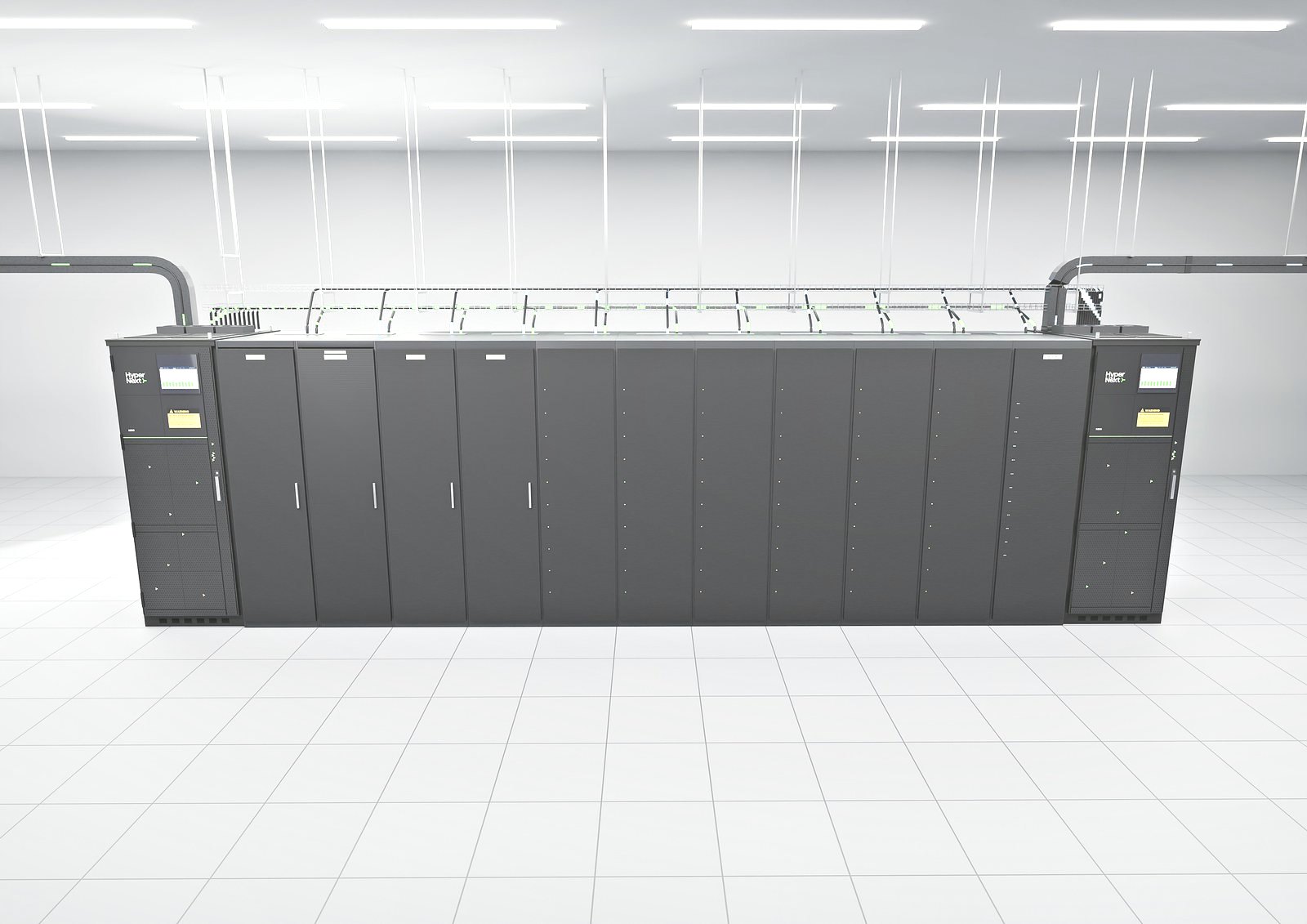
Why 800 VDC takes the UPS room out of the building
Single conversion from 33 kV to the rack removes rooms, losses and a fire risk, and lets density change without new panels.
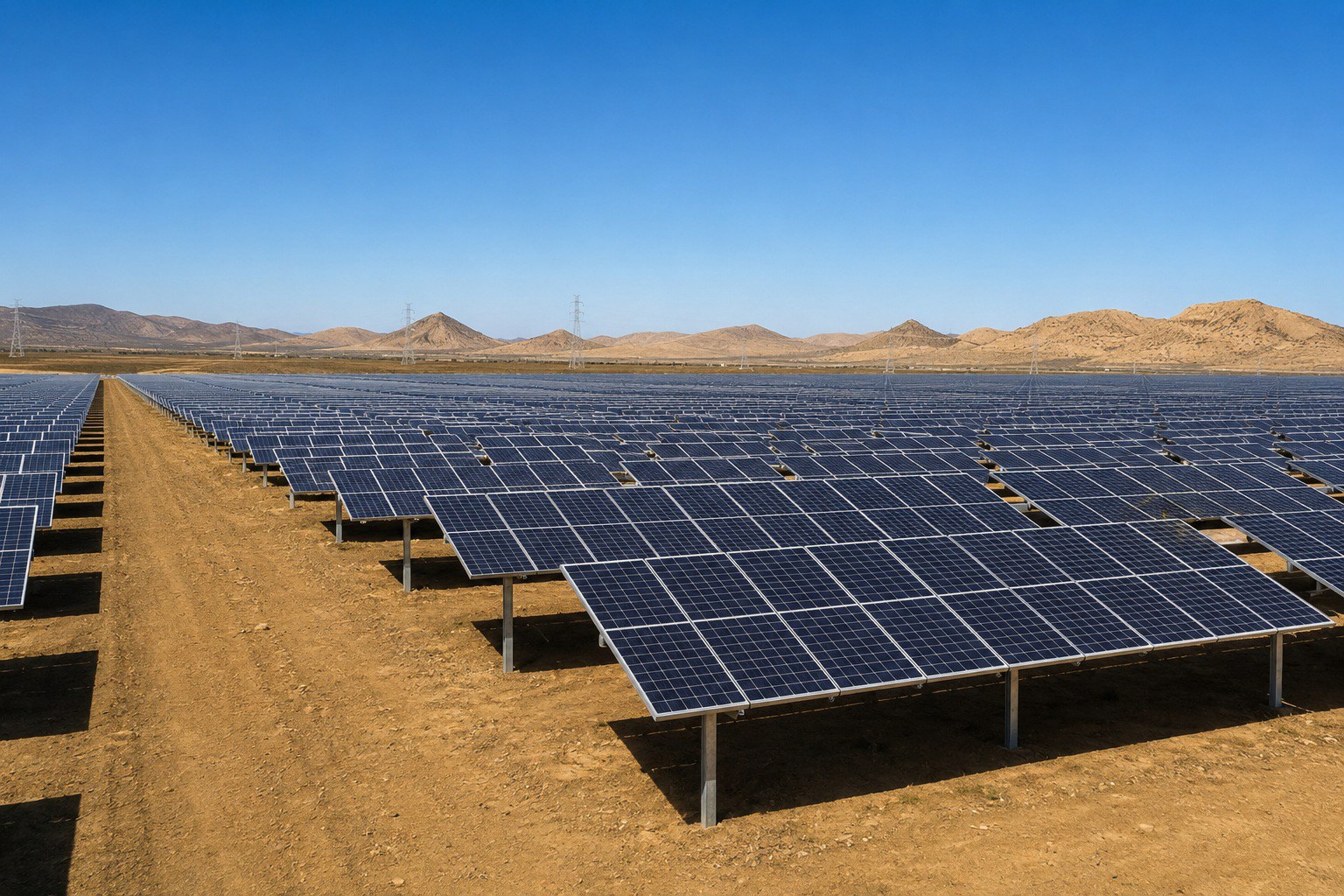
Renewable power should be measured by the hour
Annual renewable claims hide the night. Hourly matching shows what a data centre actually runs on.
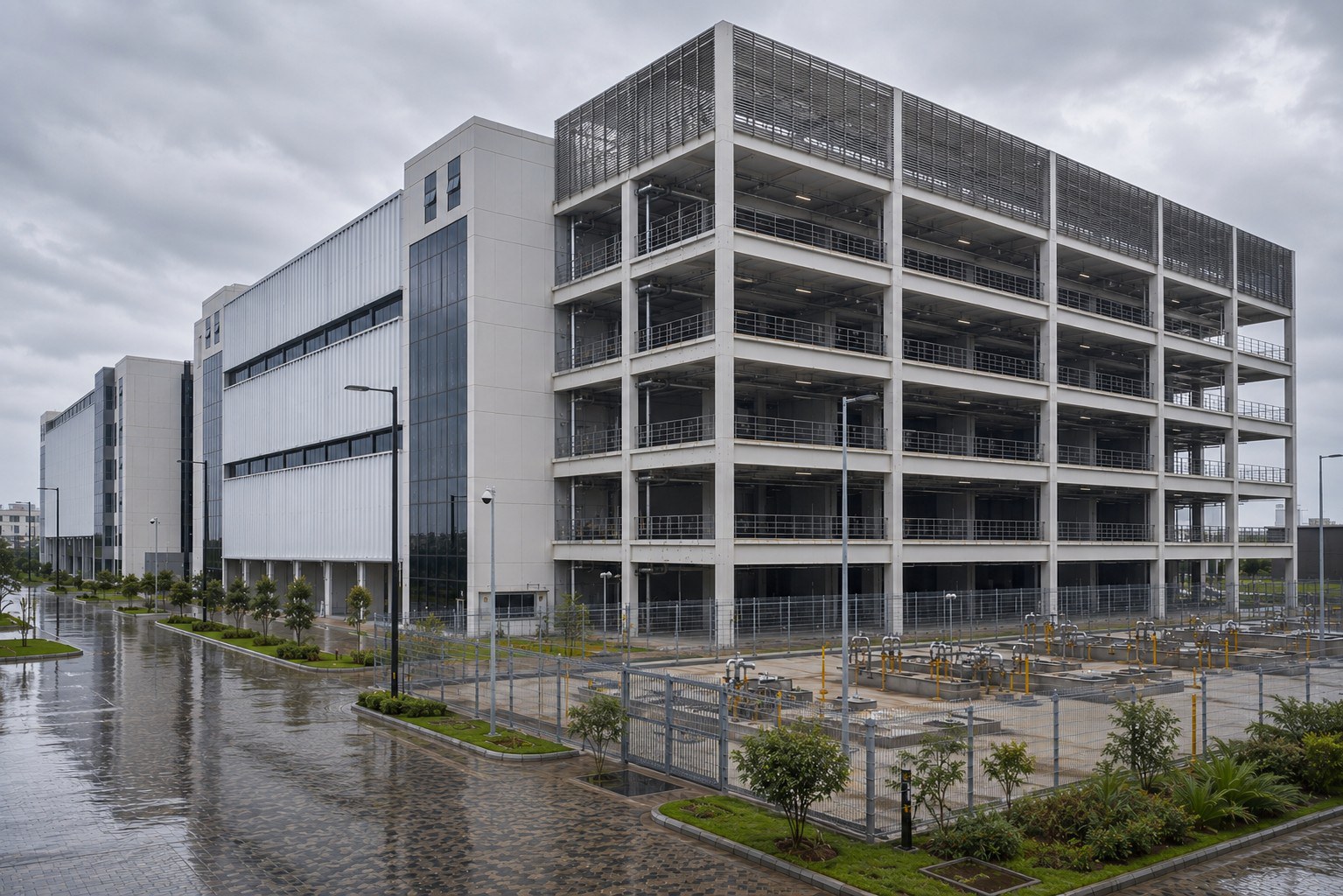
Planning a site for 3.5-tonne racks
Rack-scale AI changes the ground study, the structure and every route from the loading dock to the hall.
Considering battery storage?
Send a year of interval meter data and your tariff. We will tell you which jobs a battery can do for you and what size it should be.