
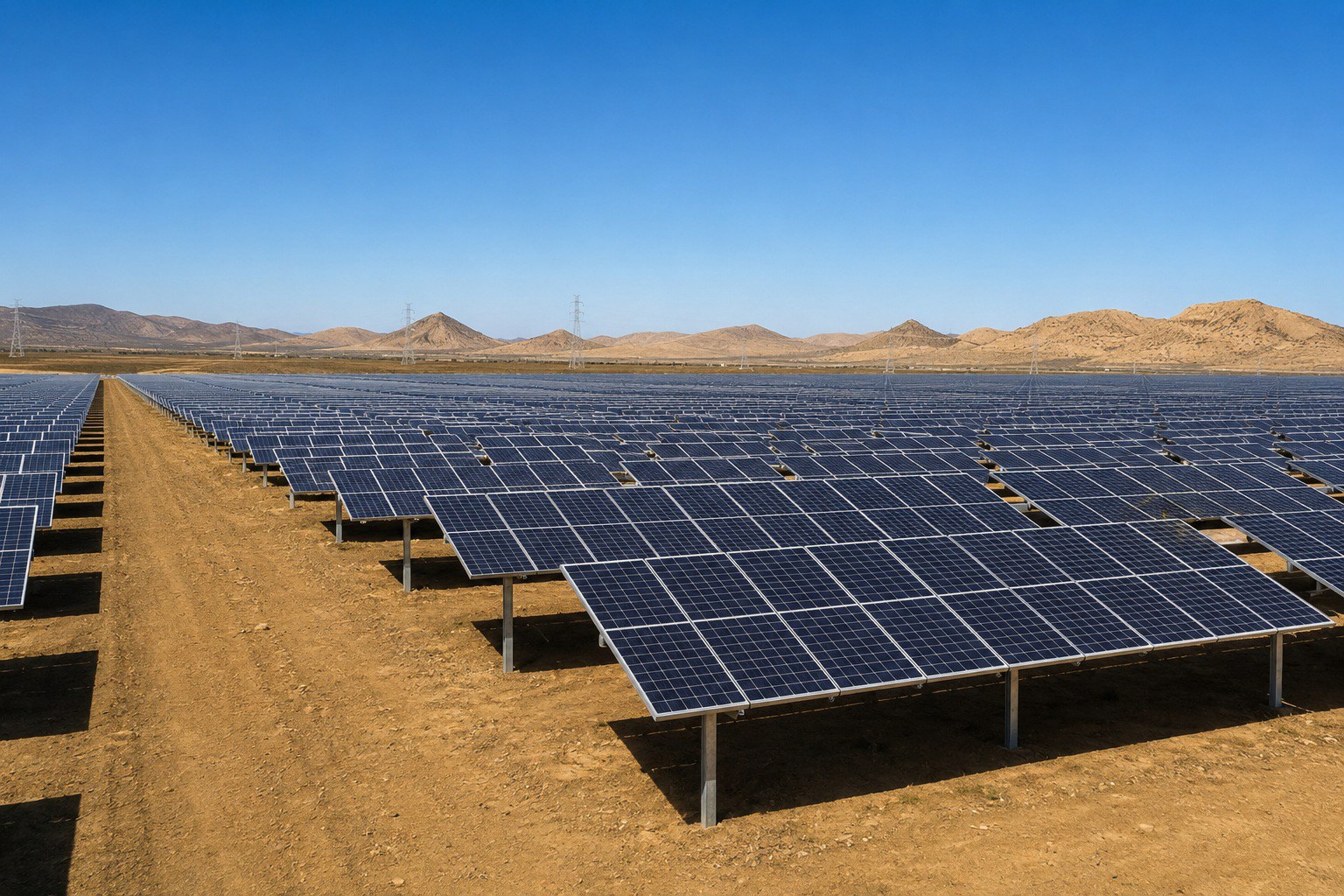
A renewable claim is only as good as the hours it covers. Our method begins by reducing what the building needs, then supplies that demand from captive solar and wind on the best available land, moves daytime energy into the night with storage, carries it to the site under open access, and reports the match between renewable supply and actual consumption for every hour of the year.
Seven steps, in the order we take them.
The method is applied in the same order on every appointment. It starts inside the building, because every unit of demand removed by design is a unit that never has to be generated, stored, wheeled or certified, and it ends with a monthly report that a tenant can place in its own sustainability disclosures.
Reduce the demand
Single conversion from 33 kV to 800 VDC at the rack, no UPS losses, direct-to-chip cooling on sealed glycol loops, dry coolers and a PUE ceiling of 1.30. The building is designed to need less before any supply is contracted.
OutputDesign energy basisMeasure the hours
An hourly demand profile for every phase, drawn from the rack mix and fifty years of site weather, so that supply is matched to the shape of demand rather than to an annual total.
Output8,760-hour demand profileGenerate where the resource is
Captive or group captive solar and wind on land with the strongest resource, which is seldom the data centre site. We identify the land, structure the ownership and contract the plant.
OutputGeneration plan and plant contractsStore for the night
Battery storage sized to carry surplus daytime solar into the evening and night hours, assembled in India from imported cells, with dispatch rules set by the hourly model.
OutputStorage sizing and dispatch rulesWheel and bank
Renewable energy carried to the site under green open access, using the wheeling and banking terms the state allows to smooth seasonal differences between generation and demand.
OutputOpen access approvals and schedulesBalance the remainder
Hours that captive supply and storage cannot cover are met through green products on the power exchanges or long-term agreements with third-party renewable generators, with utility supply held as firm back-up.
OutputBalancing strategyMatch and report
Metered renewable supply compared with metered consumption for every hour, reported monthly to the client and, where they wish, to each tenant by name.
OutputMonthly hourly-matching reportStorage at two scales, for two different purposes.
At the scale of the grid connection, battery storage moves renewable energy from the hours in which it is generated to the hours in which it is needed, and lowers the share of demand that must be bought from the utility or the exchanges. We size it from the hourly model and specify it for assembly in India.
At the scale of the rack, battery modules on the 800 VDC bus provide ride-through for the IT load without a central UPS or a battery room. The two are sized separately and never confused: one is an energy decision, the other a reliability decision.
Green means more than the meter.
A data centre that buys renewable electricity but evaporates millions of litres of water for cooling has moved its environmental cost rather than removed it. Our designs use sealed propylene-glycol loops rejected through dry coolers, with no cooling towers, no evaporation and no water chillers, so the only water a campus uses is for the people who work there and for fire protection, and that water is treated and reused on site.
The same discipline applies at the end of a building’s life. We write zero landfill into the specifications we prepare, so that retired equipment goes to material recovery rather than disposal.
Zero cooling water
Closed glycol loops and dry coolers on every design, sized from fifty years of site weather.
Zero discharge
Domestic water treated and reused on site for landscape and flushing.
Zero landfill
Equipment lifecycle and electronic waste handled through material recovery, not disposal.
The renewable share is set by the client and written into the design basis at the feasibility stage, so that land, storage and contracts are sized for it from the start rather than added later.
Thinking from the practice.
Short perspectives from our engineers on the decisions that shape a data centre.
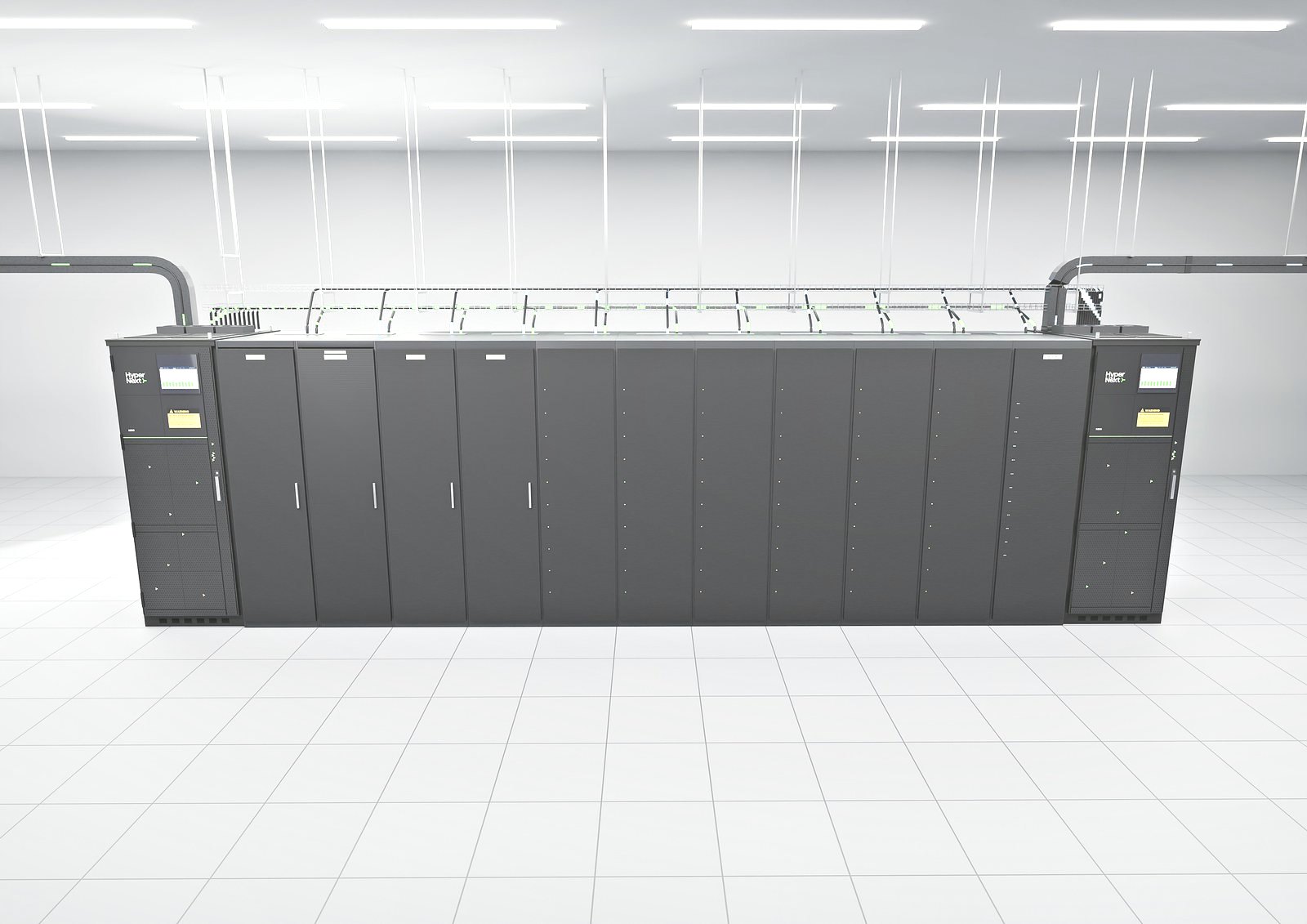
Why 800 VDC takes the UPS room out of the building
Single conversion from 33 kV to the rack removes rooms, losses and a fire risk, and lets density change without new panels.
Renewable power should be measured by the hour
Annual renewable claims hide the night. Hourly matching shows what a data centre actually runs on.
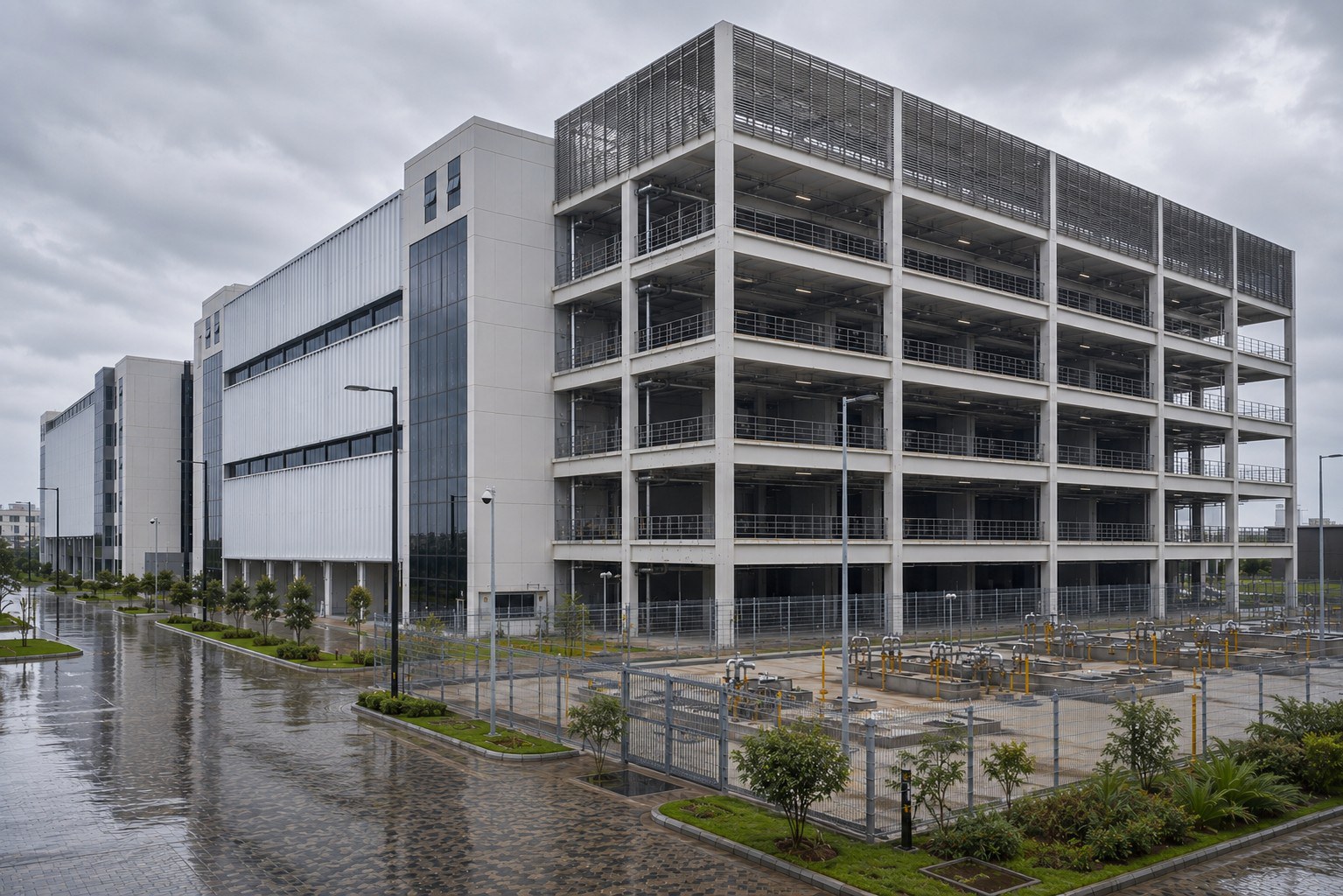
Planning a site for 3.5-tonne racks
Rack-scale AI changes the ground study, the structure and every route from the loading dock to the hall.
Make the claim hourly.
Tell us the load, the state and the renewable share you need to report. We will set out how it can be supplied and evidenced.