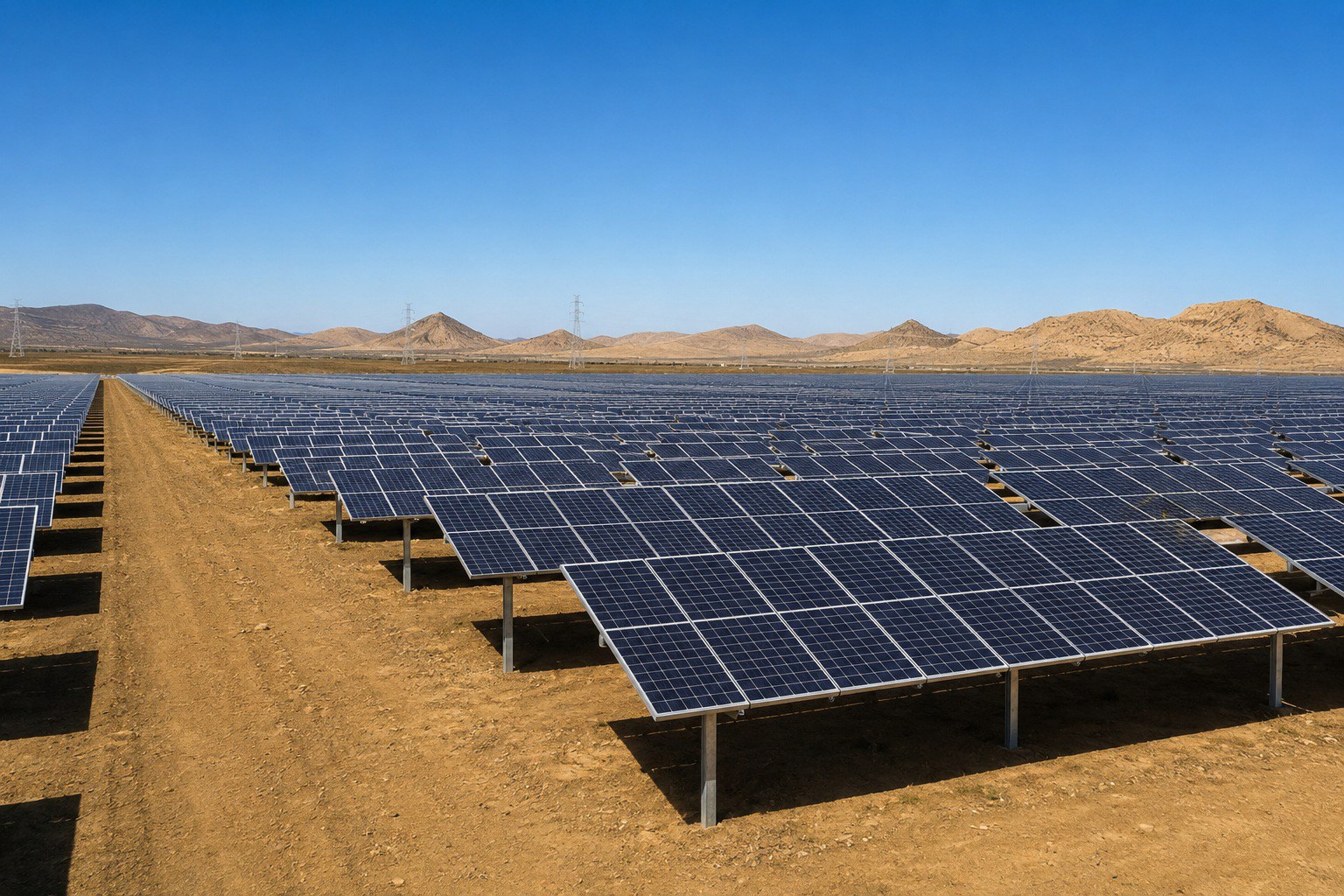
A solar plant is judged on the energy it delivers, every year, for twenty-five years. That figure is fixed by decisions made long before the first module arrives: the reading of the site, the yield model, the layout, the string design and the quality of what is bought. We carry a plant through engineering, procurement and construction as one contract, then stay with it in operation, so that the generation promised at financial close is the generation measured on the meter.
On the roof, on the ground or across the grid.
On-site plants supply the building they stand on. Captive and group captive plants are built where the resource is best and the land is available, with the energy wheeled to the consumer under the state’s open access rules. Many clients need both.
Rooftop
Industrial, commercial and data centre roofs, with a structural assessment of the roof and its waterproofing before any design begins.
Carports and facades
Parking canopies and building-integrated arrays that generate where the roof alone is not enough.
Fixed-tilt plants
Ground-mounted arrays on optimised tilt and row spacing, for sites where simplicity and low maintenance matter most.
Single-axis trackers
Rows that follow the sun from east to west, raising annual yield where the land, the soil and the tariff justify them.
Captive and group captive
Plants built for one consumer or a group of consumers, connected to the grid and wheeled under open access. See Green power arrangement.
Solar, wind and storage
Solar combined with wind and battery storage to raise the share of the day served by renewable energy.
Eight stages, from irradiance to operation.
Each stage closes with a defined output. The yield model is carried from the first study through to the performance test at handover, so that every design and purchasing decision can be traced to its effect on generation.
Site assessment
Irradiance data, shading, soil and topography for ground sites; structure, load capacity and waterproofing for roofs; grid connection options.
OutputSite reportEnergy yield
Hourly simulation with a full loss chain, reported at P50 and P90 so that lenders and owners can rely on it.
OutputBankable yield reportDesign
Layout, string sizing, DC to AC ratio, structures, cabling, earthing and lightning protection, transformers, switchyard and monitoring.
OutputIssued drawings and BOQsApprovals
Electrical inspectorate, distribution company connectivity, net or gross metering, open access and state nodal agency registration.
OutputApprovals in placeProcurement
Modules on the approved list of models and manufacturers, inverters, structures and transformers from HyperNext approved brands, with factory inspection and flash test records.
OutputOrders and inspection recordsConstruction
Piling or roof mounting, structures, module installation, DC and AC cabling, inverter stations and the connection to the grid.
OutputProgress recordCommissioning
Insulation and continuity tests, I-V curve tracing, drone thermography and a performance ratio test against the yield model.
OutputCommissioning reportOperation and maintenance
Monitoring, module cleaning, preventive maintenance and fault response, with generation reported against the model every month.
OutputMonthly performance reportWhat protects the yield for twenty-five years.
Most losses in a solar plant come from small decisions: a module bought on price alone, a string that sees morning shade, a cable run that is too long. We set the standards that prevent them and check them on site.
- Certified equipmentModules certified to IS/IEC 61215 and 61730, registered with BIS and listed on the approved list of models and manufacturers.
- Bankable yieldP50 and P90 estimates with every loss stated, so that the business case survives scrutiny.
- Inspected before dispatchFactory inspection and flash test data for modules, and routine tests for inverters and transformers.
- Tested at handoverA performance ratio test against the model, with thermography to find defects before the warranty clock runs.
- Water-wise cleaningDry or low-water cleaning matched to the site’s dust and water constraints.
- One monitoring viewPlant monitoring linked to the site’s building management system, so generation, storage and load are read together.
Thinking from the practice.
Short perspectives from our engineers on the decisions that shape a building.
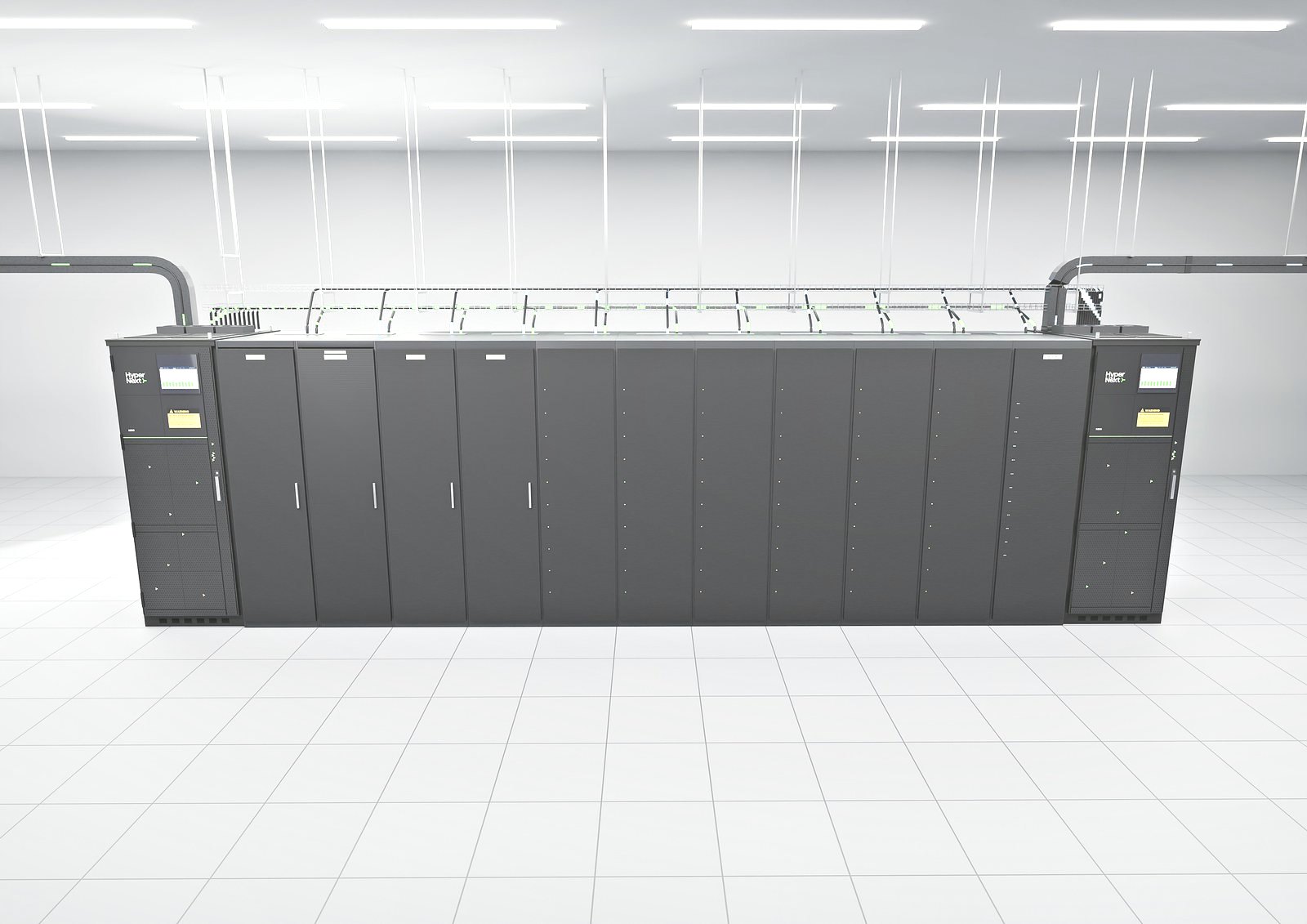
Why 800 VDC takes the UPS room out of the building
Single conversion from 33 kV to the rack removes rooms, losses and a fire risk, and lets density change without new panels.
Renewable power should be measured by the hour
Annual renewable claims hide the night. Hourly matching shows what a data centre actually runs on.
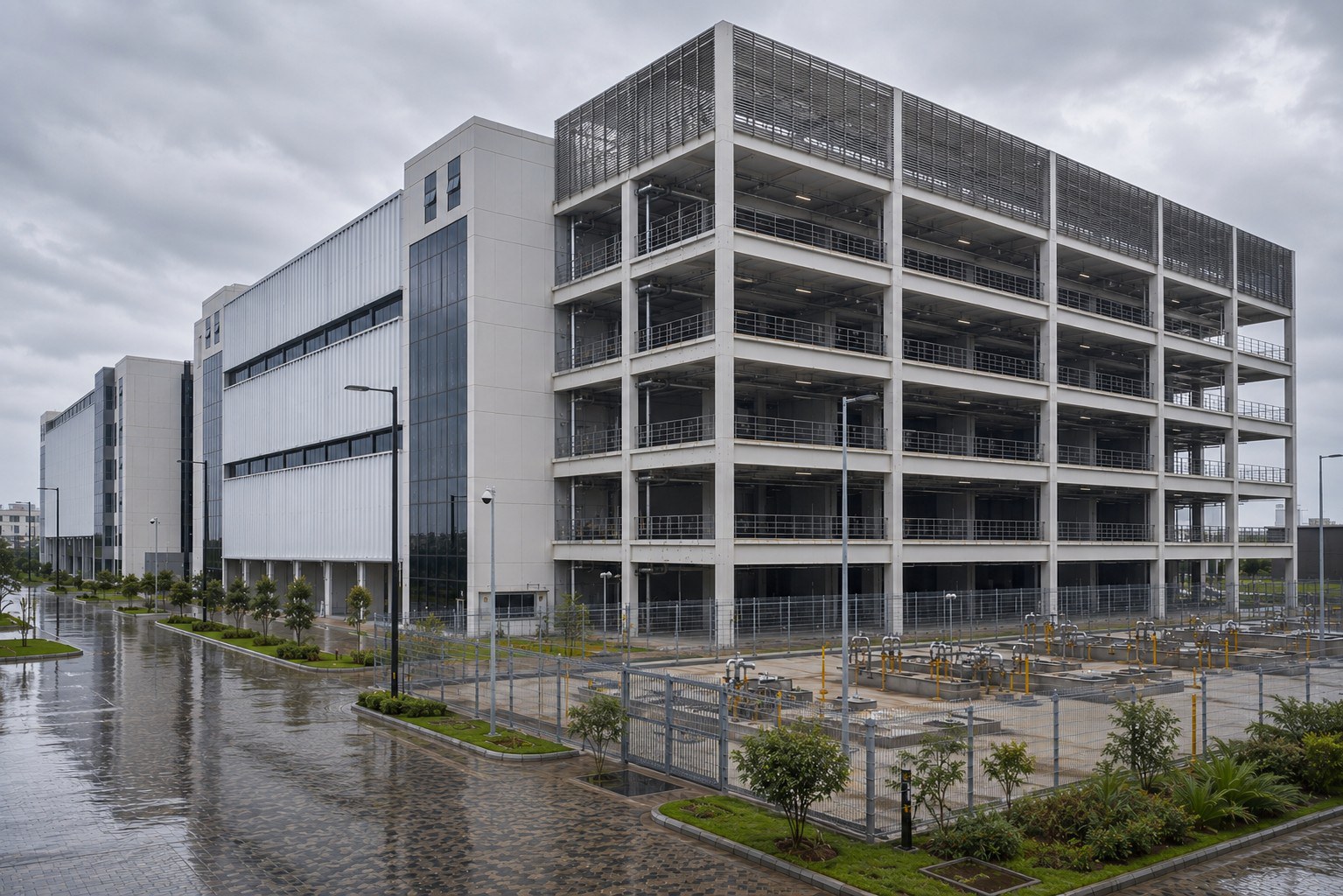
Planning a site for 3.5-tonne racks
Rack-scale AI changes the ground study, the structure and every route from the loading dock to the hall.
Planning a solar plant?
Send the site, the roof or land area and the load you want to serve. We will return a first yield estimate and the route to connection.