Rack-scale AI changes the ground study, the structure and every route from the loading dock to the hall.
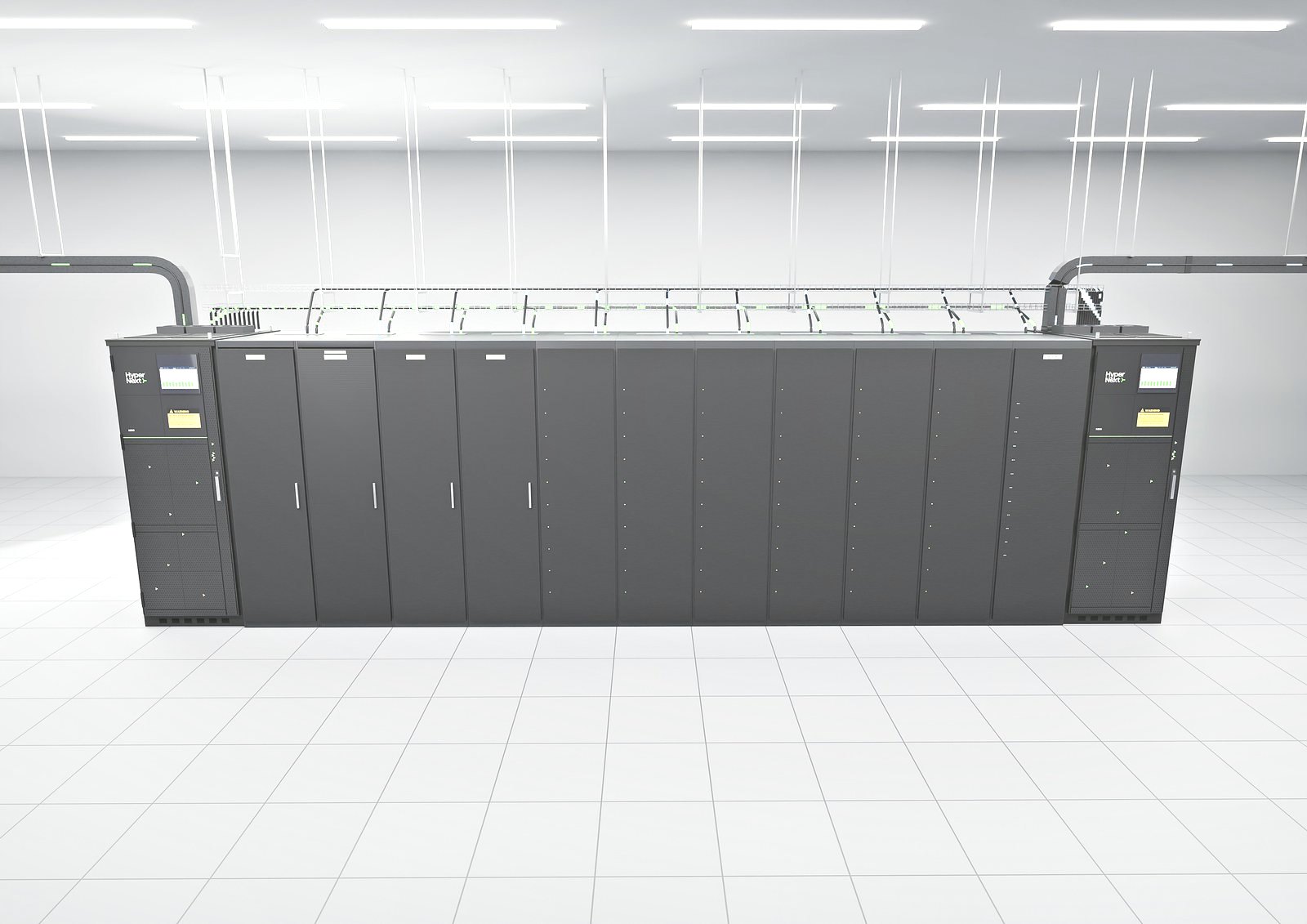
A fully loaded rack-scale AI system can weigh up to 3.5 tonnes, several times the weight of a conventional enterprise rack. That single number reaches back into decisions that are usually taken long before the technology is chosen, starting with the ground study.
It starts below the ground
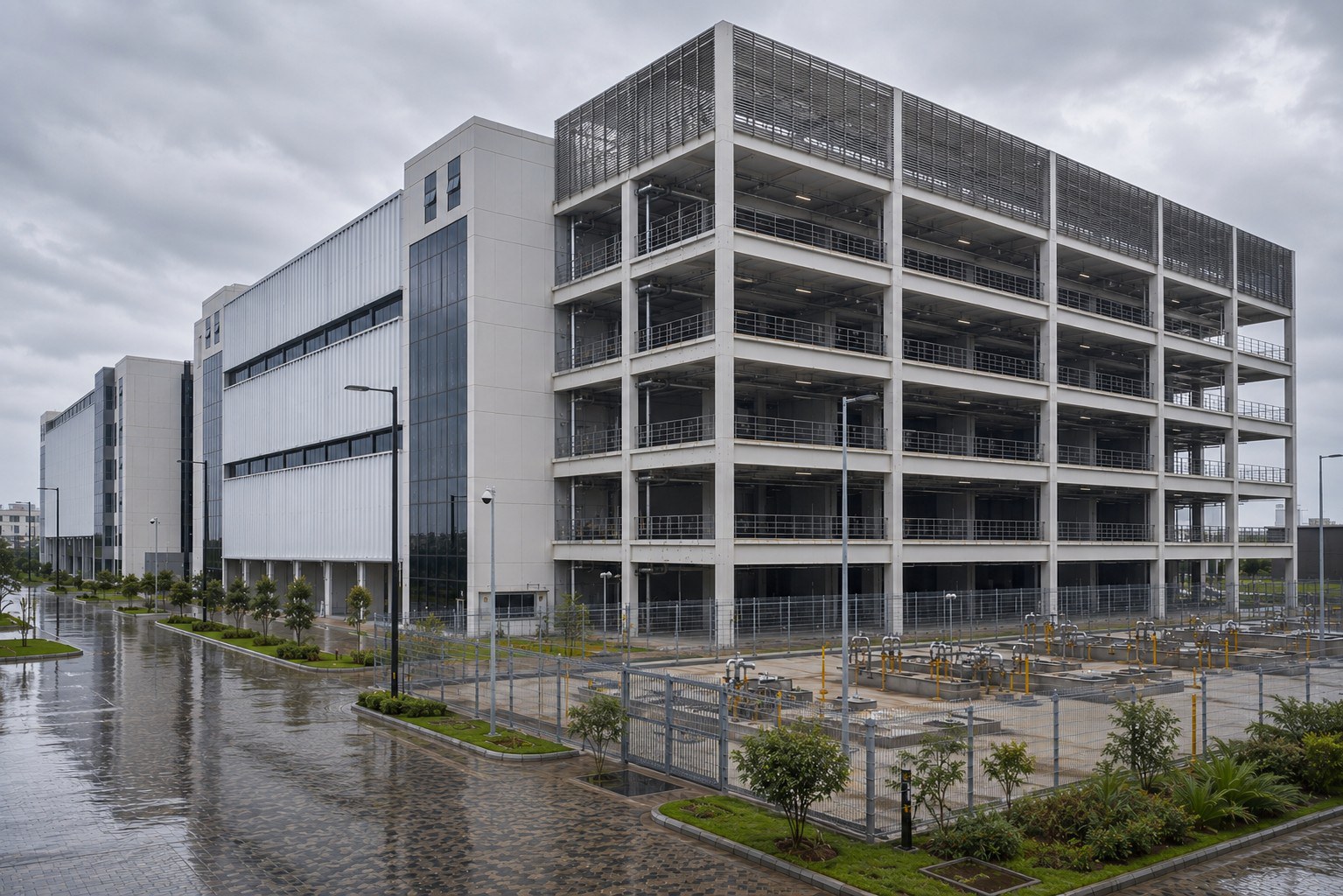
Data hall floors for rack-scale systems are designed for loads of the order of 2,800 kg/m². The geotechnical investigation therefore has to be specified for those loads from the outset: boreholes and standard penetration tests deep enough for the foundation type, plate load tests, groundwater levels and laboratory testing planned with the structural engineer rather than commissioned generically.
Then the structure and the routes
A heavy rack has to travel from the delivery vehicle to its position in the hall. Every element of that route must carry it: the loading dock, the goods lift, ramps, door widths, corridor floors and the turning space at each corner. We check the route on the drawings for the delivered rack on its pallet, not for the rack alone.
And the services around it
- Liquid cooling needs a dedicated CDU room in the grey space of every hall.
- Every liquid pipe runs over a drip tray with leak detection.
- Power distribution must be able to reach 600 kW at the rack position without being rebuilt.
None of this is difficult when it is planned at the ground study. All of it is expensive when it is discovered after the structure has been designed for a lighter building.