Annual renewable claims hide the night. Hourly matching shows what a data centre actually runs on.
Most renewable claims are annual. A data centre buys as many renewable units over a year as it consumes, and reports itself as fully renewable. The difficulty is that the sun sets every evening and the data centre does not.
The problem with annual totals
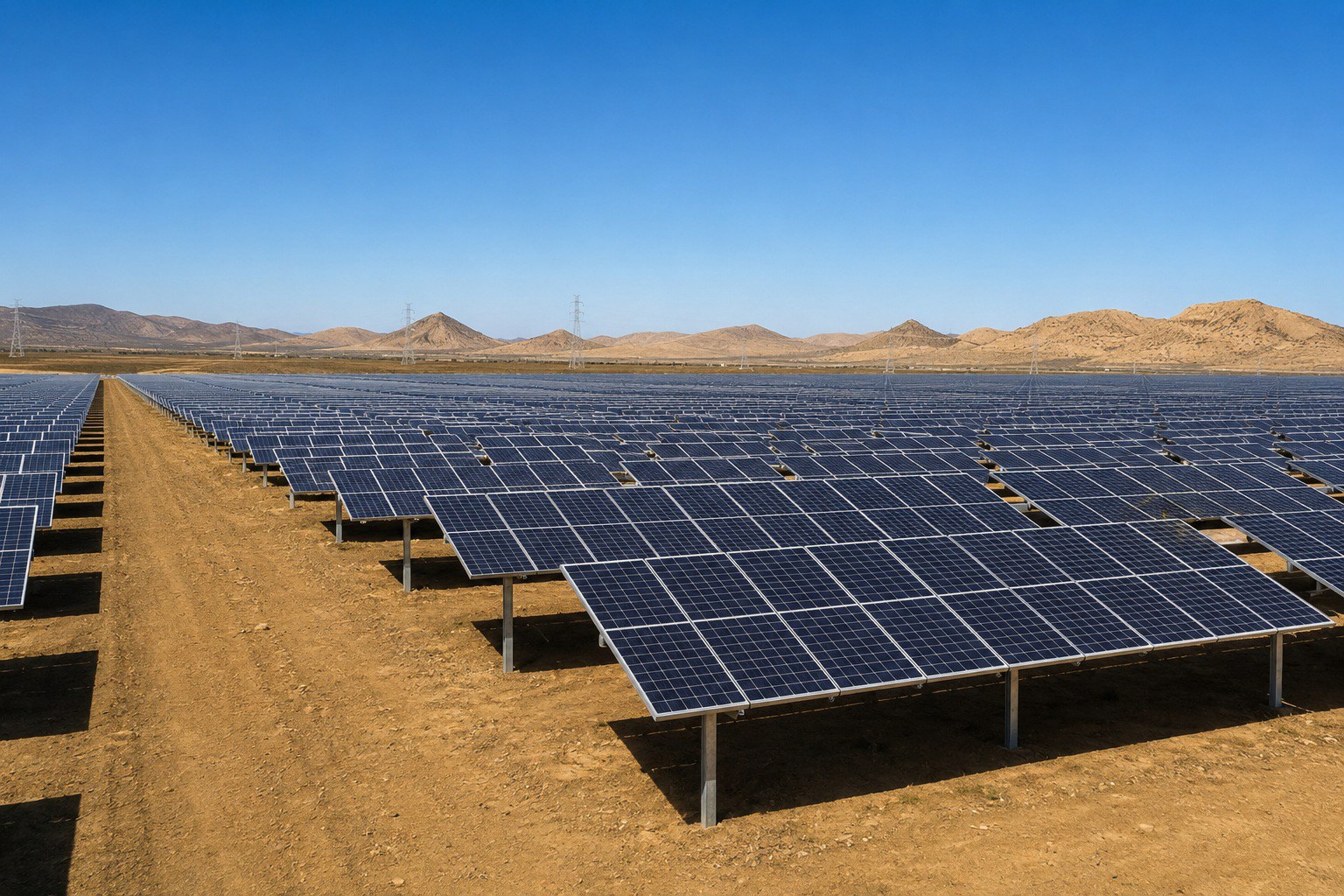
A solar plant sized to match a year of consumption produces a surplus at midday and nothing at night. On an annual basis the figures balance; hour by hour, the building may be drawing most of its night-time power from whatever the grid happens to be burning. Annual matching tells a tenant very little about what their workloads actually ran on.
Measuring by the hour
Hourly matching compares metered renewable supply with metered consumption for each of the 8,760 hours in a year. It is a harder standard, and it changes the design of the supply. Generation has to be diversified, with wind complementing solar. Storage has to be sized to carry daytime surplus into the evening. Wheeling and banking terms matter, because they decide how surplus in one season can offset shortfall in another.
Our method, in brief
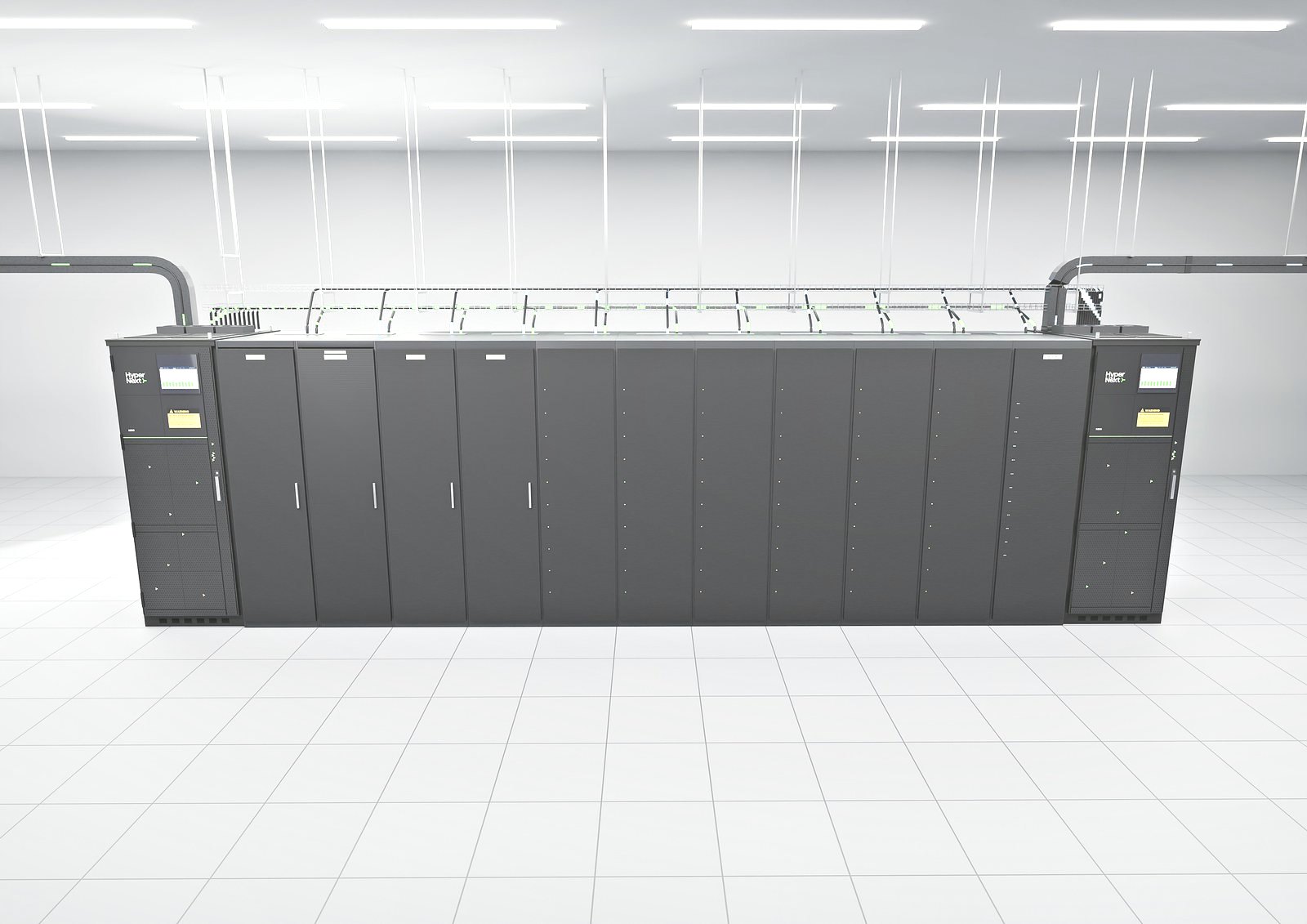
- Reduce demand first: a PUE ceiling of 1.30, single power conversion and no water for cooling.
- Build an hourly demand profile from the rack mix and fifty years of site weather.
- Generate where the resource is strongest, through captive or group captive solar and wind.
- Store daytime energy for the night, and carry it to site under green open access.
- Balance the remaining hours through green exchange products or long-term agreements.
- Report the hourly match every month, to the owner and, if they wish, to each tenant.
Hourly matching costs more effort than an annual certificate. It is also the only measure that will survive the questions sophisticated tenants are beginning to ask.