
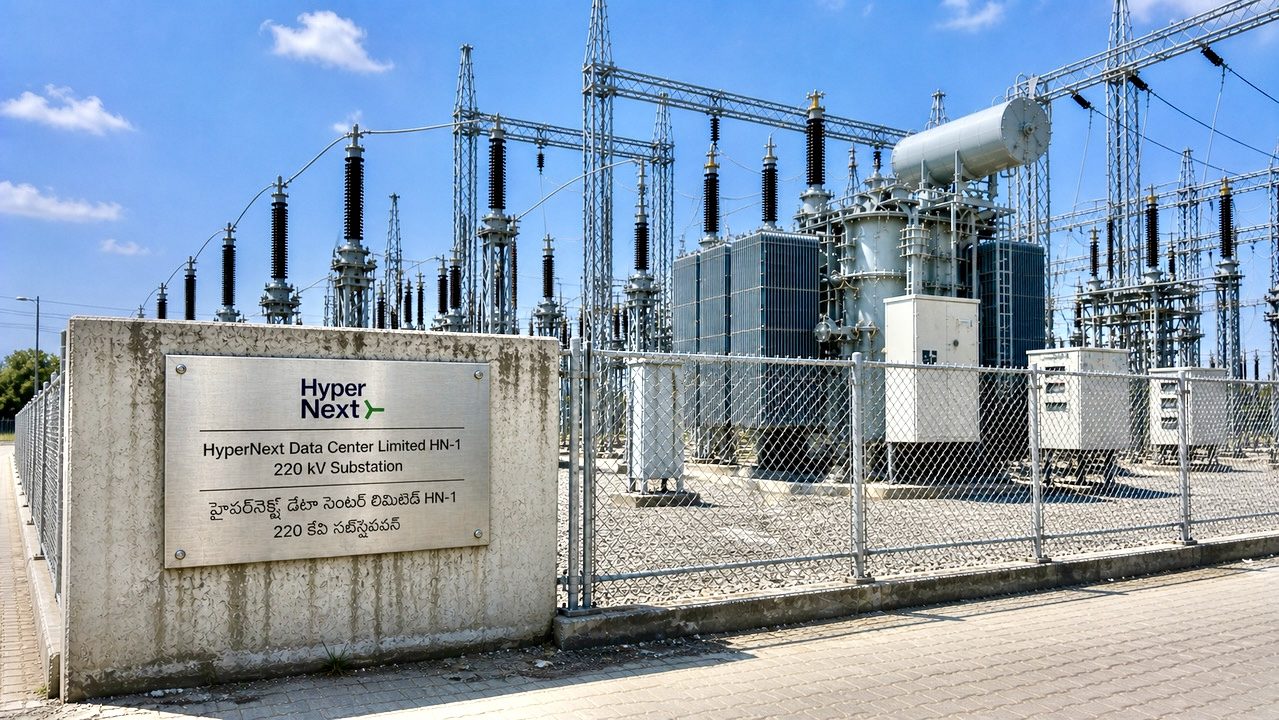
Electricity is the largest operating cost a data centre will carry and the input it can least afford to lose. We secure the allocation and the connection first, then build a model of the facility’s demand hour by hour and use it to choose the combination of supply sources, contracts and storage that gives the lowest delivered cost for the reliability and renewable share the client requires.
The connection is the critical path.
A data centre can be designed in months and built in a year or two, but a new high-voltage connection can take longer than either if it is applied for late. We therefore prepare the load application at the feasibility stage, sized for the final campus rather than the first phase, and agree with the transmission and distribution companies the voltage level, the substation arrangement, the line route and the date on which power can be drawn.
Where the utility builds the substation, we coordinate its design with the campus master plan so that the incoming lines, the switchyard and the 33 kV distribution to each building are placed once and never moved.
Load application
Contract demand by phase, load profile, power factor and harmonic statement, prepared from the feasibility model.
Connection study
Voltage level, nearest substations, line route options, system strength and the utility’s own augmentation plans.
Substation arrangement
Switchyard layout, transformer or solid-state conversion, metering and protection, coordinated with the master plan.
Grid studies
Load flow, short circuit and protection studies in PowerStudio, submitted with the application where the utility requires them.
Agreements
Connection, supply and, where applicable, open access agreements reviewed clause by clause with the client’s counsel.
Energisation
Inspection, metering, testing and the sequence for first drawing power, planned with the construction programme.
An optimised mix, chosen by the model.
No single source is cheapest at every hour. Utility supply is firm but carries cross-subsidy; solar is inexpensive by day and absent at night; wind follows its own seasons; exchange prices move by the quarter hour; storage costs money but moves energy to the hours where it is worth most. The right answer for a site depends on its demand, its state’s regulations and the client’s renewable commitment.
We build an hourly model of the facility’s demand across the year and test combinations of sources against it, including the open access charges, wheeling and banking terms and surcharges that apply in that state. The model returns the mix with the lowest delivered cost per unit for the reliability and renewable share the client has set, and shows how that answer changes as tariffs and regulations move.
| Ref | Source | Role in the mix | What we arrange |
|---|---|---|---|
| PS-01 | Utility supply | Firm base supply and back-up to every other source | Tariff category, contract demand, metering and supply agreement |
| PS-02 | Open access | Bilateral purchase from generators through the grid | Eligibility, charges, scheduling and the approvals of the state nodal agency |
| PS-03 | Captive and group captive | Long-term renewable supply at a fixed cost from plants the consumer partly owns | Structure under the Electricity Rules, equity and consumption conditions, plant contracts |
| PS-04 | Power purchase agreements | Long-term contracts with third-party renewable generators | Term, price, curtailment, change in law and termination provisions |
| PS-05 | Power exchanges | Short-term balancing, including green day-ahead and term-ahead products | Exchange membership through a trader, bidding strategy and settlement |
| PS-06 | Storage | Moving daytime renewable energy into evening and night hours | Battery sizing, siting, dispatch rules and metering |
| PS-07 | On-site generation | Emergency supply only, sized to the critical load | Generator rating, fuel storage, emission and noise compliance |
Six steps from demand to contract.
Power procurement is carried out alongside the feasibility study and the master plan, and its results feed both. The steps below are followed on every appointment.
Demand profile
Hourly demand for each phase, built from the rack mix, the cooling plant and the annual efficiency profile drawn from site weather.
Output8,760-hour load modelRegulatory map
Open access eligibility, charges, banking, wheeling and surcharges in the state, with the direction of pending regulation.
OutputState regulatory noteSource options
Generators, plants and contracts available to the site, with their price, term and delivery profile.
OutputSource registerOptimisation
The model tests combinations against the demand profile and returns the lowest delivered cost for the chosen reliability and renewable share.
OutputRecommended mix and sensitivityContracting
Term sheets, negotiation and agreements with the utility, generators and traders, reviewed with the client’s counsel.
OutputExecuted agreementsOperation
Scheduling, metering, settlement and an annual review of the mix as tariffs, regulation and the facility’s own load change.
OutputMonthly power reportThe cheapest unit is the one never bought.
Procurement and design are treated as one problem. Every design we produce carries a PUE ceiling of 1.30, and the 800 VDC architecture converts power once from 33 kV to the rack rather than several times through transformers and UPS systems, which reduces both the energy lost as heat and the cooling needed to remove it. The power model is run on the design as drawn, so the savings appear in the contract demand and not only in a brochure.
Thinking from the practice.
Short perspectives from our engineers on the decisions that shape a data centre.
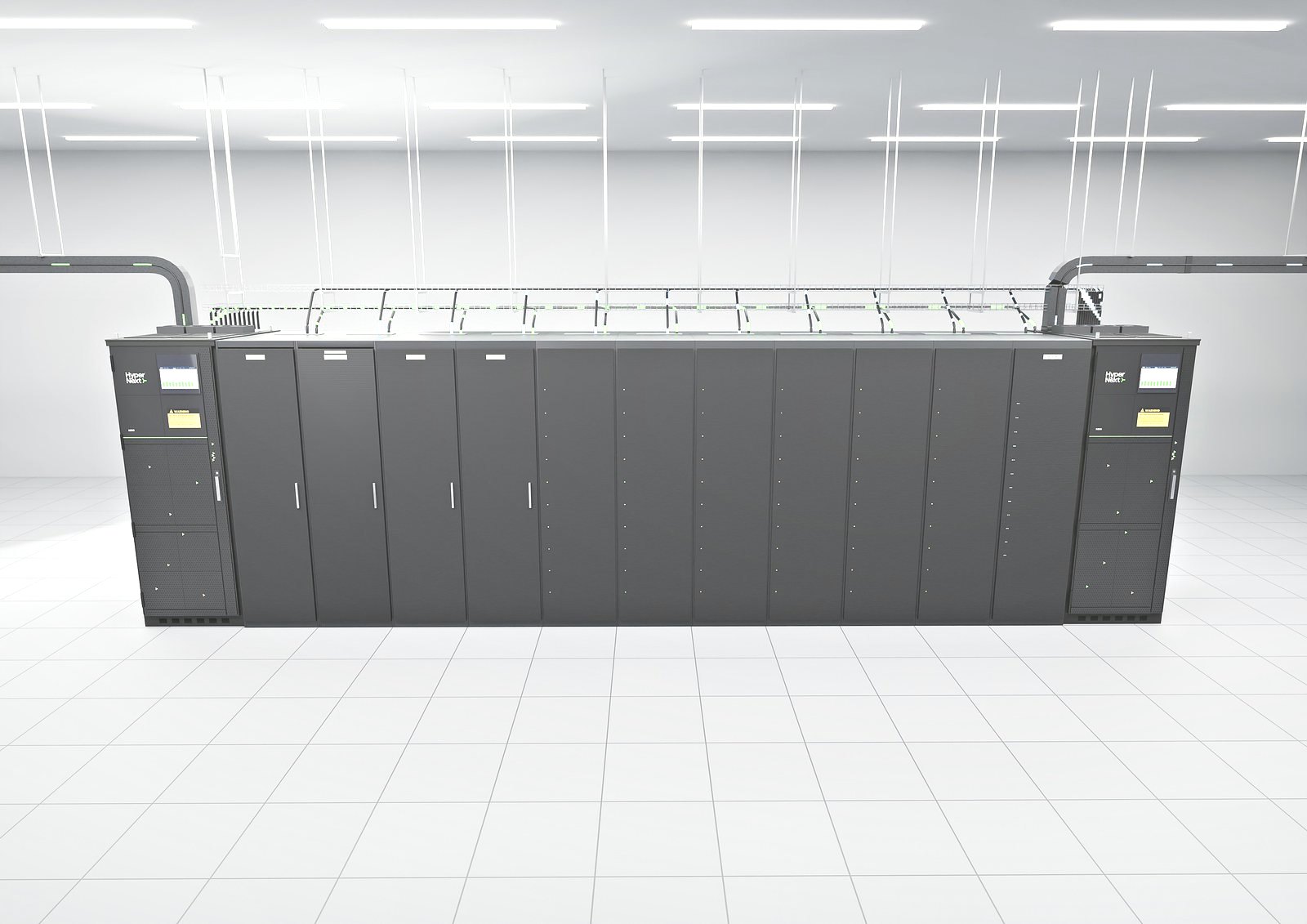
Why 800 VDC takes the UPS room out of the building
Single conversion from 33 kV to the rack removes rooms, losses and a fire risk, and lets density change without new panels.
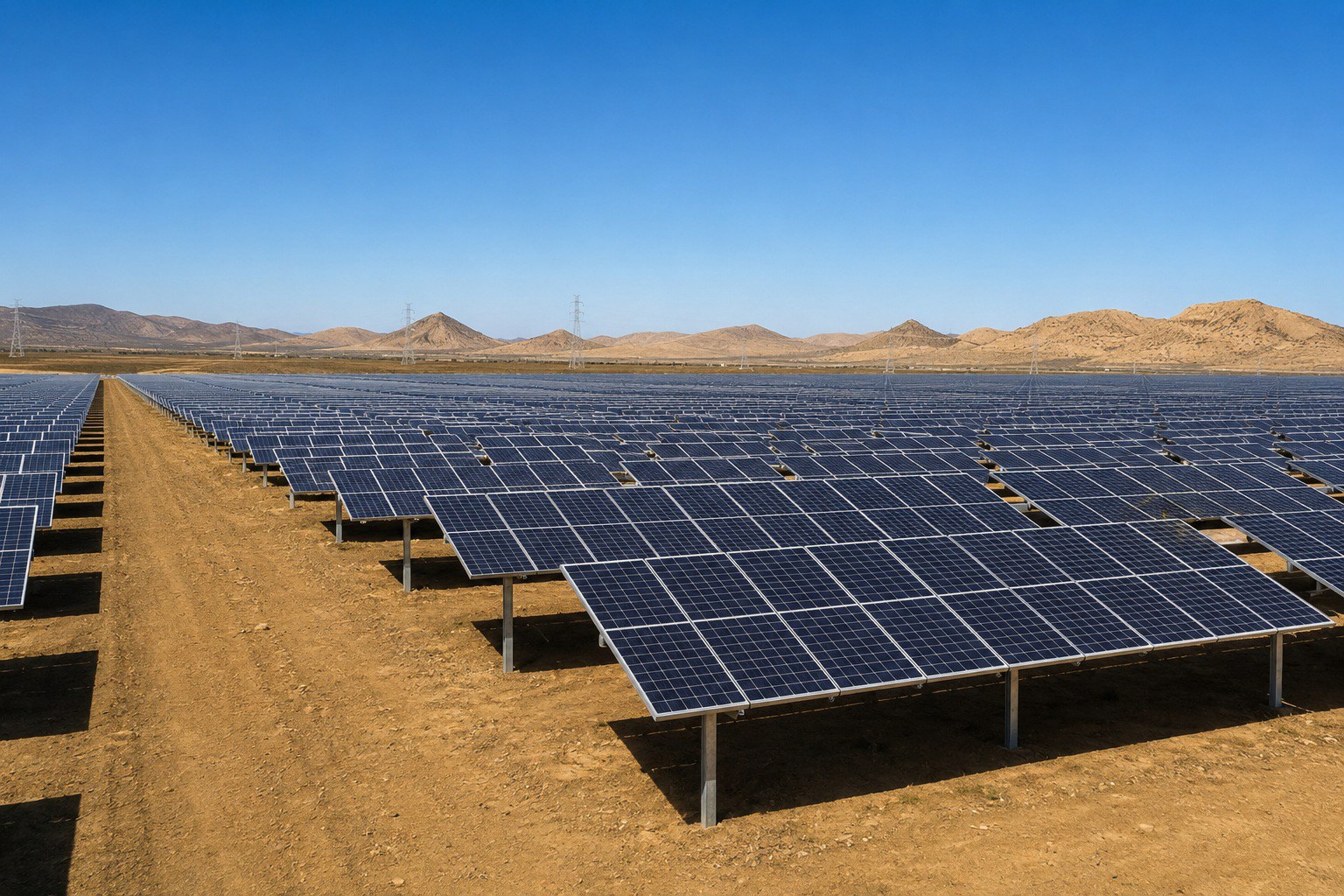
Renewable power should be measured by the hour
Annual renewable claims hide the night. Hourly matching shows what a data centre actually runs on.
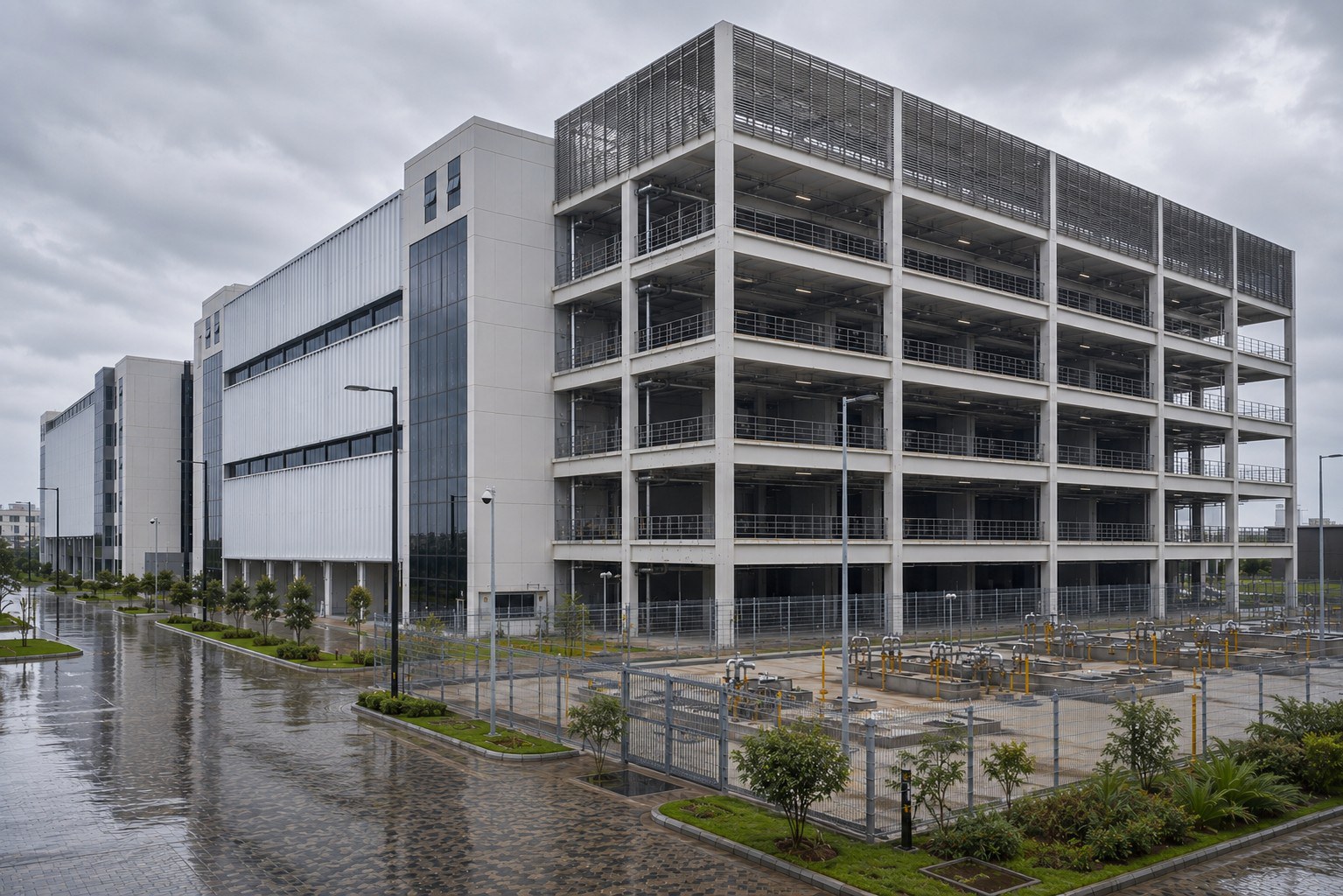
Planning a site for 3.5-tonne racks
Rack-scale AI changes the ground study, the structure and every route from the loading dock to the hall.
Secure the supply.
Send the site, the intended load and the date you need power. We will set out the connection route and the supply options the state allows.