An open model, with every assumption on its own sheet, survives due diligence. A summary does not.
Feasibility studies are often delivered as a report with a summary table of returns. When a lender or a joint venture partner begins due diligence, the first request is usually for the model behind the table, and that is where many studies fail.
Open, not summarised
A model that will survive scrutiny is handed over unlocked, with every assumption on its own sheet and a note recording where each figure came from and when it was last confirmed. Nothing in the results is typed by hand. A reviewer can change any input and watch the consequence flow through to the returns.
Built around real decisions
The model should be arranged around the choices the client actually faces, each held as a switch that recalculates everything downstream:
- AC, 800 VDC or mixed halls, and the grey space each option needs.
- N+N reliability on one site, or two sites running active-active.
- How much to build in the first phase against the absorption ramp.
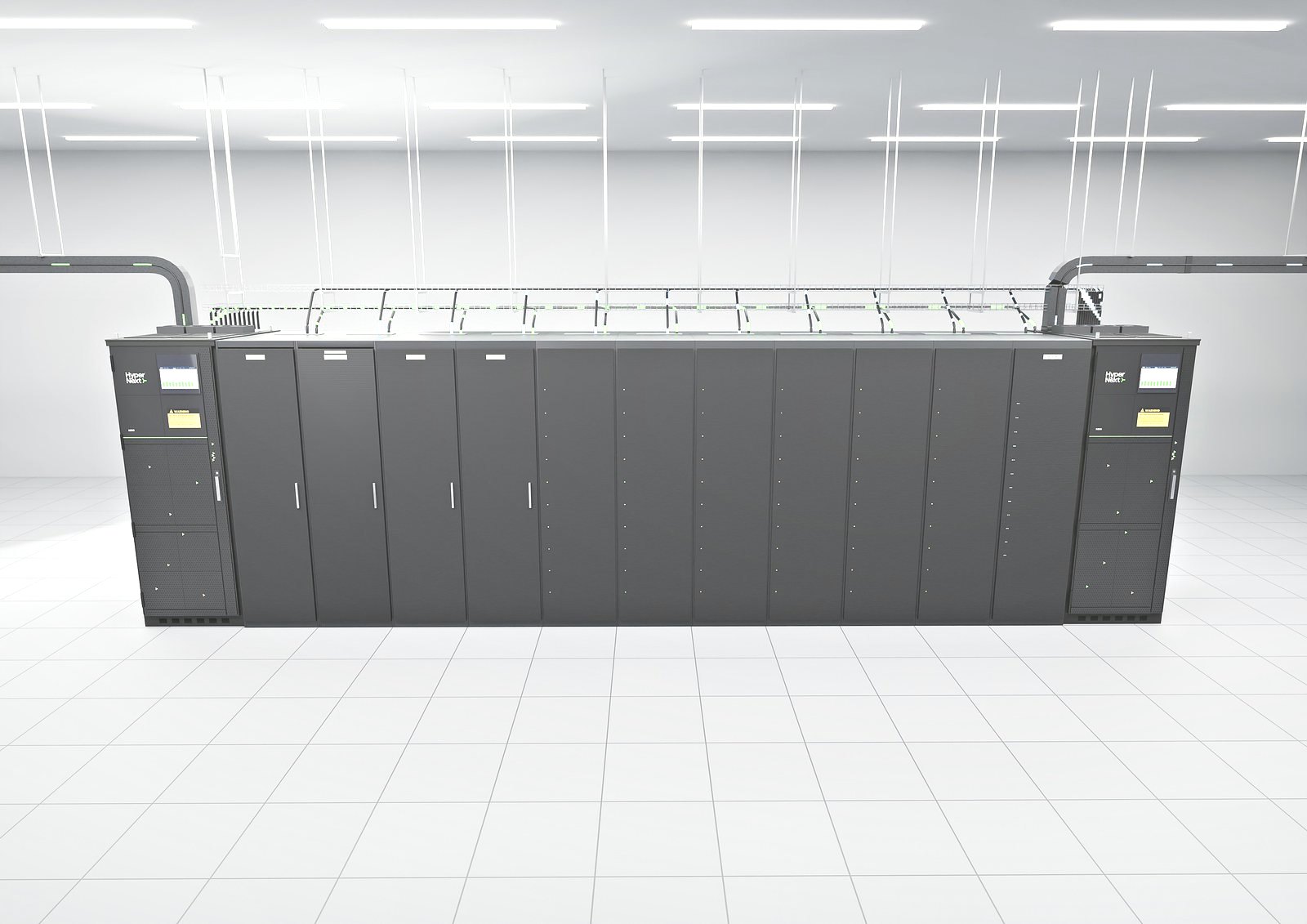
- The rack mix, and its effect on power, cooling, floor loading and revenue.
- The power supply mix and tariff, taken from the procurement model.
- The commercial form: colocation, wholesale, build-to-suit or powered shell.
Honest about fragility
Every study should show where the case is weak. A ranked sensitivity chart, covering tariff, absorption delay, capital cost, annual efficiency, interest and connection date, makes the few assumptions that matter most obvious, so they can be verified before money is committed. A lender will find them anyway; it is better that the study finds them first.