
BU800
Backup, without the room.
One hundred kilowatts at 800 VDC from a single 4RU drawer, across eight hot-swap lithium iron phosphate modules. It lives in the rack power panel, beside the servers it protects, always on the bus with nothing to transfer.
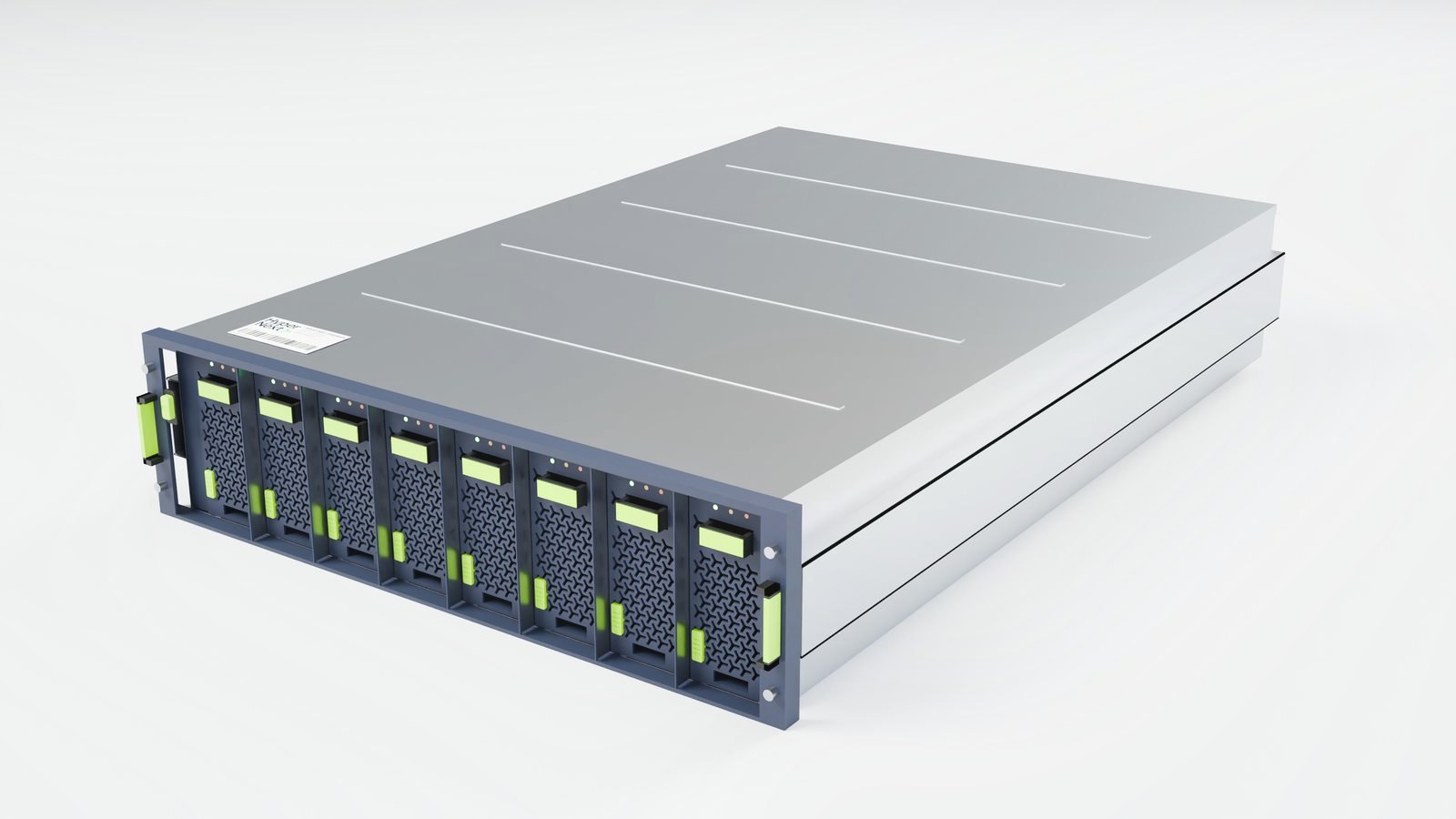
No battery room. Less copper. Less cooling.
A conventional design puts the battery in a room of its own, conditioned, cabled back to a central uninterruptible supply and converting twice whether or not anything has gone wrong. Moving it into the panel removes all four.
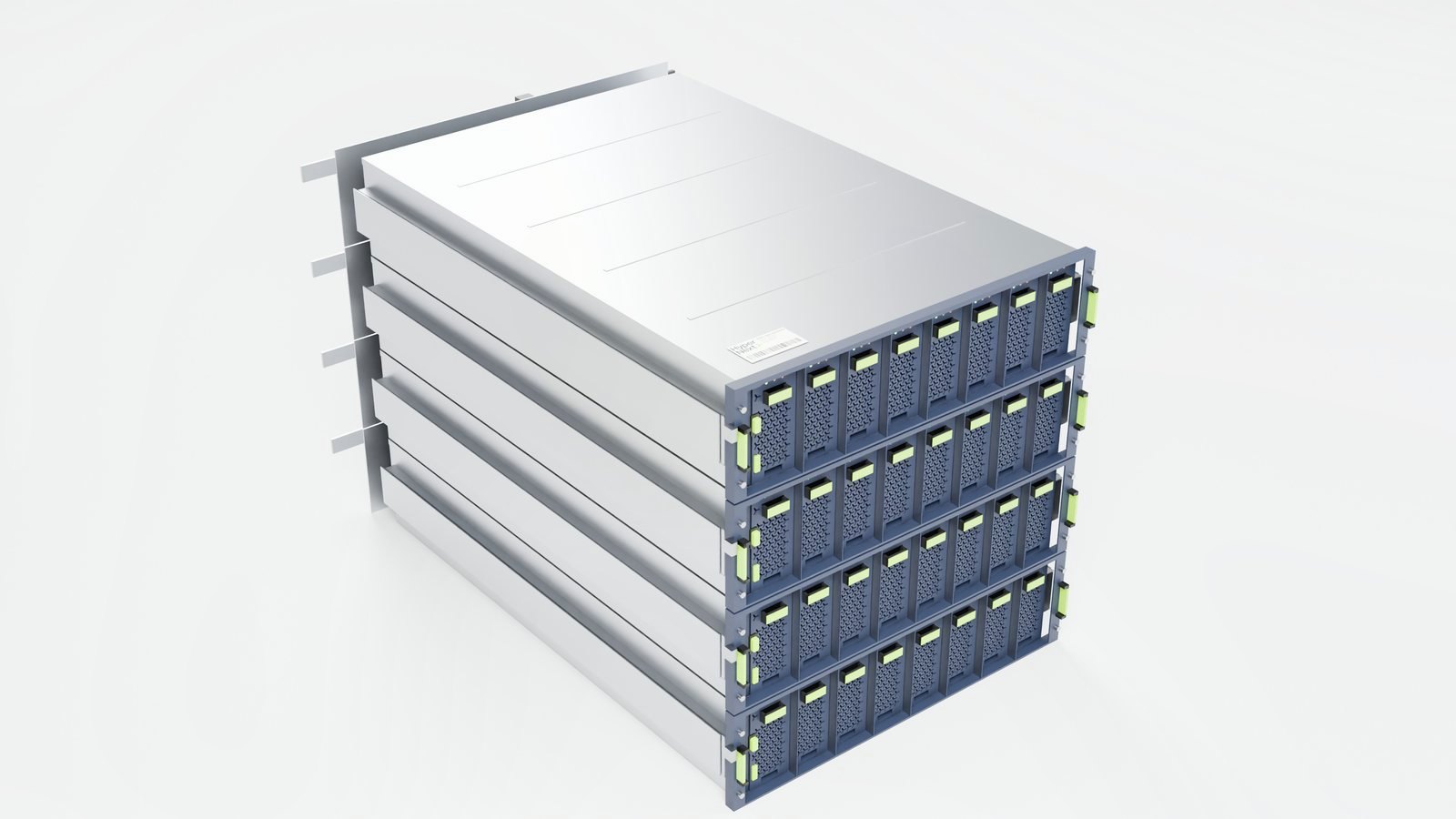
Four drawers in one panel
At 800 volts a full 100 kW drawer draws 125 amperes. The same power at 50 volts would be sixteen times that current and a conductor far too large to run across a hall, which is why the battery is where the voltage is still high. The drawer shares the servers' cold aisle and runs on inlet air up to 40 degrees, so there is no chilled battery room and no extra cooling plant behind it.
Swap a module. Keep the load.
Seven modules carry the full hundred kilowatts, so the eighth is spare capacity rather than a dependency. Each one slides out on its own while the drawer stays in service.
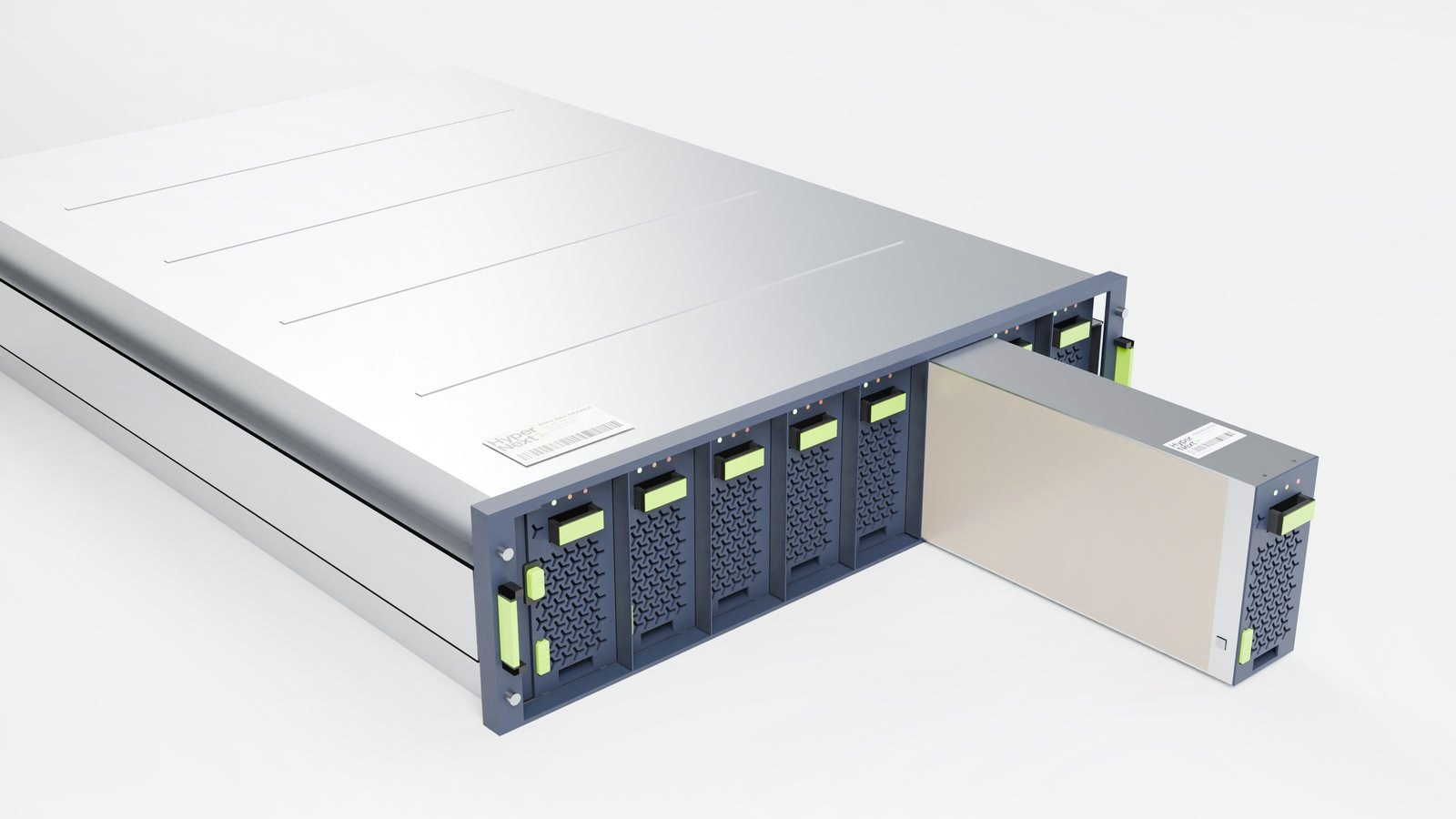
Hot-swap, one module at a time
Staged contacts stop the module output before the power contacts part, so nothing is interrupted under load. The latch is the Open Compute left-side latch with a fold-flat handle and Pantone 375C touch points, and it locks only when the module is fully mated. A module is 17.8 kg, which is a one-person lift.
Cold aisle air enters at the fascia, crosses every module in one straight path and leaves at the rear into the hot aisle, about 8 K warmer at full discharge. In standby the fans stop and the whole drawer draws 37 watts rather than 93. They start only when the drawer is discharging, charging or running warm.
Fifteen kilowatts, 76 mm wide.
Eighty lithium iron phosphate cells in series at 256 volts nominal, boosted to the 800 volt bus by silicon carbide inside the same module.
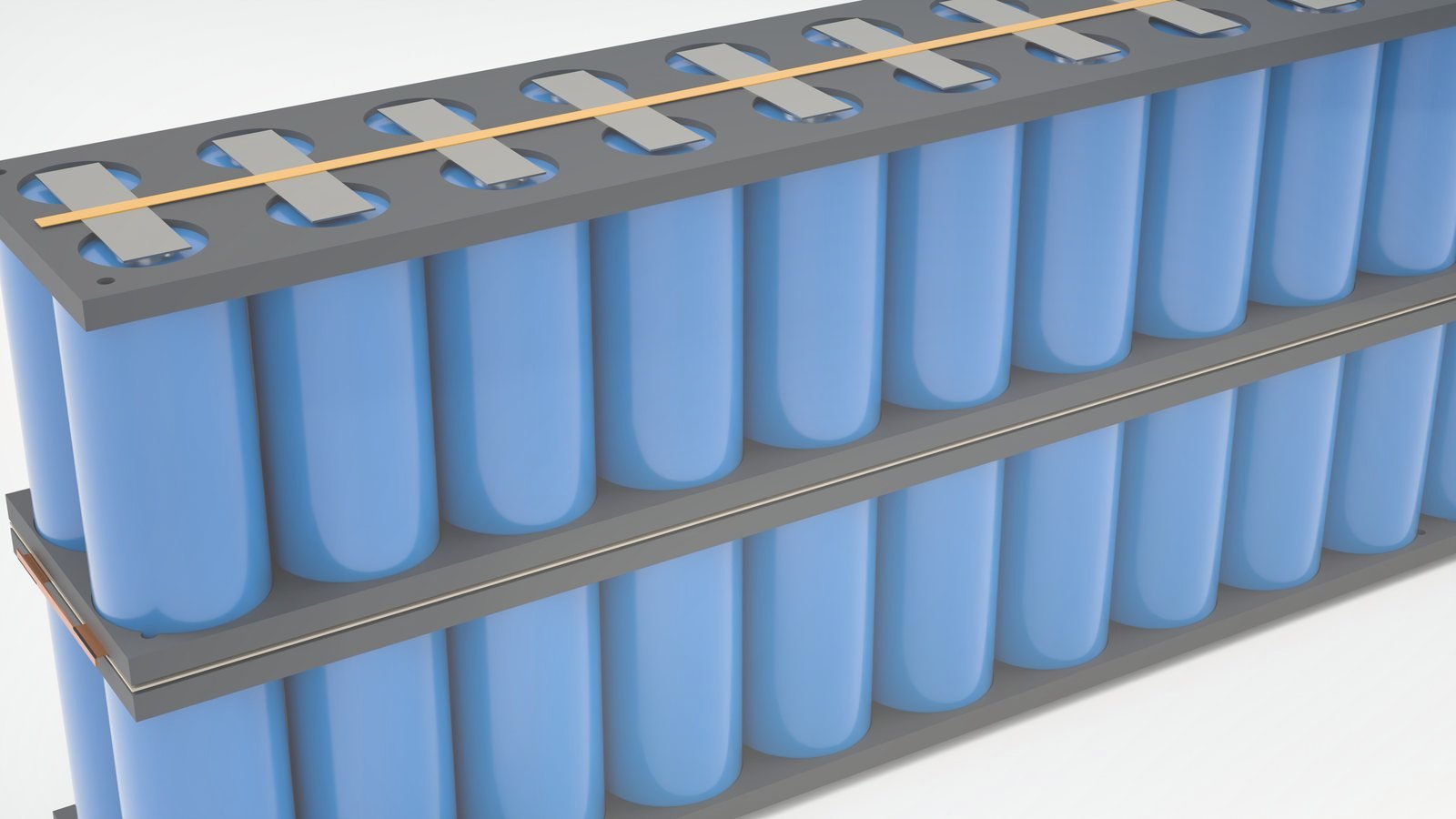
Eighty cells in series, one string
Module
- Cells
- 80 in series, 32700 lithium iron phosphate, 3.2 V, 6.0 Ah
- String
- 256 V nominal, 1.54 kWh
- Rating
- 15 kW, 17.8 kg
- Conversion
- Two-phase interleaved bidirectional silicon carbide boost, 1,200 V devices
- Construction
- Moulded cell holders, laser-welded copper links, mica barriers between tiers
- Monitoring
- A monitored tap at every cell, five 16-channel cell monitors, Modbus to the drawer controller
- Cooling
- Two 60 mm high static pressure fans, front to rear, stopped in standby
- Interface
- OCP ORv3 HVDC blind-mate, OCP left-side latch
Lithium iron phosphate stores less energy per kilogram than the nickel manganese cobalt chemistries. It was chosen anyway. A drawer bolted into a panel on a concrete floor is not weight limited, and what a data centre cannot tolerate is a thermal event in an occupied building full of other people's equipment. The iron phosphate cathode is thermally more stable, its runaway onset is substantially higher, and it ages more slowly, which keeps the drawer a capital item rather than a replacement programme.
Opens in two microseconds.
Every bay has its own bidirectional solid-state breaker between the drawer and the panel bus. Sixteen silicon carbide switches rated 1,700 V, both directions, clamped below 1,450 V.
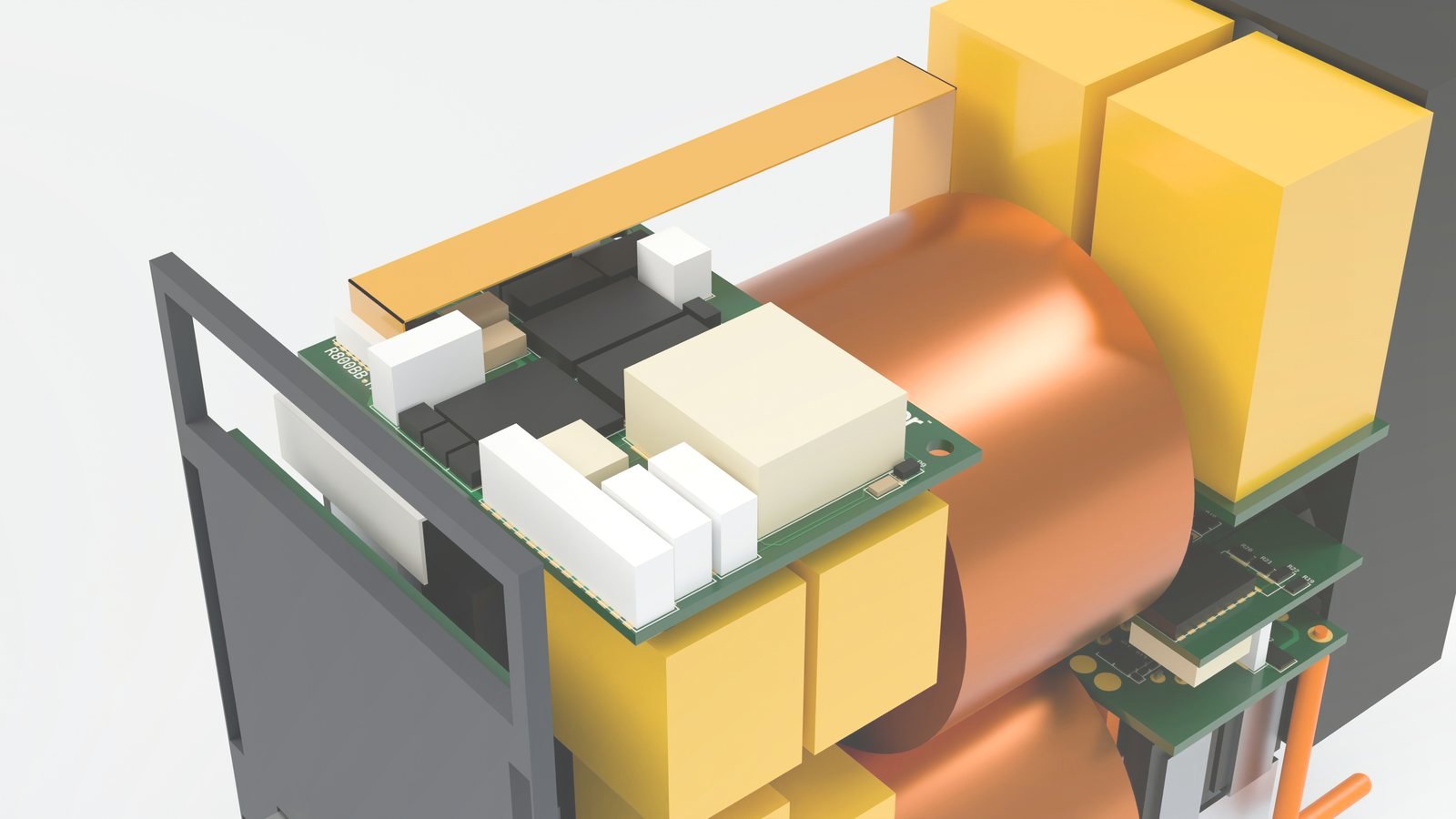
Silicon carbide, in the module airstream
Bay kit and drawer safety
- Bay breaker
- 16 × 1,700 V silicon carbide, bidirectional, per bay
- Trip
- Short circuit in 2 µs. Latch or sense loss in 1 ms
- Loss
- 124 W at 100 kW, which is 0.12 per cent
- Insertion
- 1.5 s pre-charge, receptacle actively bled below 60 V
- Earth fault
- Fault location sensing on both poles, one insulation monitor per bus
- Drawer protection
- 300 A pyro-fuse, 250 A aR fuse, off-gas and smoke sensing
- Isolation
- 10 mm barrier between 1,000 V and control, 4 oz copper
- Touch safety
- Finger-safe rear guard, blanking panel for empty bays
- Control
- Lockstep safety controller, two isolated CAN-FD links to the panel
The numbers.
BU800 drawer
- Output
- 100 kW at 800 VDC with any one module out. Provisions for 150 kW
- Modules
- Eight hot-swap at 15 kW each, 7 + 1
- Energy
- 12.3 kWh nominal per drawer
- Ride-through
- 4 min at 100 kW
- Recharge
- Under one hour at 12 kW
- Standby
- 37 W per drawer, fans stopped
- Cycle life
- 4,000 cycles to 80 per cent, 1C at 25 °C
- Inlet air
- 5 to 40 °C, front to rear, about 8 K rise at full discharge
- Connectors
- ORv3 HVDC blind-mate module plug. Drawer output OCP 800 V class, two × 250 A
- Size and mass
- 4RU, 690 W × 175 H × 1,000 D mm, 172 kg loaded
- Standards
- Designed to IEC 62619, UL 1973, IS 16805, IEC 62477-1, IEC 60664-1
The rest of the line
Talk to the engineering team.
Specifications, drawings and deployment planning for the 800 VDC product line. Designed by HyperNext Engineering, Toronto. Made in India.